

Asia crypto marketing: channels that actually work
Asia crypto marketing explained: WeChat groups, Xiaohongshu KOLs, Chinese CT accounts and native banners that reach real audiences.
- asia crypto marketing
- wechat marketing
- xiaohongshu kols
- chinese crypto kols
- web3 marketing
Quick answer Asia crypto marketing means reaching Chinese-speaking and broader Asian crypto audiences through the channels that actually work there: WeChat groups, Little Red Book (Xiaohongshu) KOLs, Chinese crypto-Twitter accounts, and native banner placements on sites like CnToken and HKDefi. Western PR and CT influencer campaigns rarely translate directly, so projects need native-language execution and moderation, not a translated version of their US playbook.
Most projects treat Asia as an afterthought: translate the deck, run the same KOL list with a Chinese subtitle, call it done. That does not work. The platforms are different, the trust signals are different, and the audience can tell within one post whether the content was written for them or bolted on.
Why doesn't a western crypto marketing plan work in Asia?
Crypto Twitter is not the dominant channel. A meaningful share of retail and trader attention in China-adjacent markets sits in WeChat groups, on Xiaohongshu (Little Red Book), and on Chinese-language crypto news and banner sites. Twitter/X access itself is inconsistent in mainland China, which pushes serious discussion into closed groups and apps that most Western agencies never touch.
There's also a language and trust gap. A press release run through machine translation reads as exactly that, and crypto audiences in Asia are used to spotting projects that outsourced their Chinese content to a translation tool instead of a native team. Moderation matters too: a WeChat group without a Chinese-speaking moderator active during Asia hours will die within a week, no matter how good the initial push was.
What channels actually move a project in the Asia crypto market?
- CnToken and HKDefi banner placements. Native crypto information sites with real Chinese-market traffic, used for project awareness and listing pushes.
- Chinese CT KOLs. Vetted Chinese-language crypto Twitter accounts and Telegram/WeChat influencers with real audiences, not follower-count padding.
- WeChat group pushes. Direct distribution into active trading and project-discussion groups, which is where a large share of Chinese-speaking retail actually talks about new projects.
- Little Red Book (Xiaohongshu) KOLs. Increasingly relevant for consumer-facing web3 projects (NFTs, gaming, lifestyle-adjacent tokens) reaching a younger, more mainstream Chinese audience outside pure crypto circles.
- Native Chinese moderation. Ongoing group and community management in-language, not a bot and not a founder using a translation app at 2am.
Should Asia marketing run separately from global PR and KOL campaigns?
Run them in parallel, not as substitutes for each other. Tier-one press and Western CT KOL campaigns build the credibility signals that a global audience, exchanges, and VCs check for. Asia-specific channels build the retail and trading-community reach that a Western press hit will never touch on its own. A project that only does one side ends up either credible-but-invisible in Asia, or locally loud with nothing to point to when a Western journalist or exchange listing team looks it up.
EAC runs both lanes directly: crypto PR and press, CT KOL campaigns, and the Asia-specific stack (CnToken/HKDefi banners, Chinese KOLs, WeChat, Xiaohongshu, native moderation) side by side, so a campaign can hit global press and Asian retail channels in the same push instead of staggering them months apart.
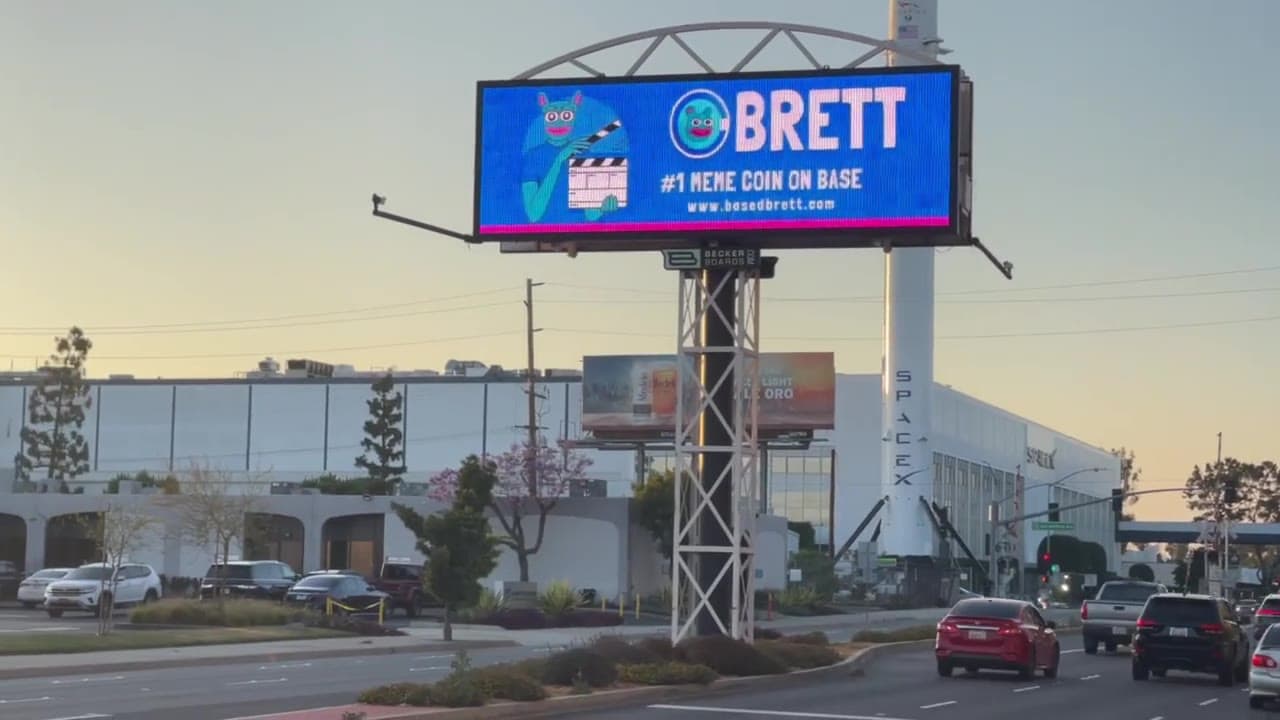
Tier-one press, CT KOLs, billboards. Builds credibility with journalists, exchanges, and English-speaking traders. Misses WeChat and Chinese retail groups entirely.
Adds CnToken/HKDefi banners, Chinese CT KOLs, WeChat pushes, Xiaohongshu KOLs, native moderation. Reaches the retail and trading-community layer that Western press never touches.
How do you vet a Chinese KOL or WeChat group before paying for it?
Ask for a screen recording of the group or account, not a screenshot, since screenshots of follower counts and view counts get faked constantly in this space. Check posting history for actual engagement, not just numbers: are group members replying to project pushes or is it a dead room padded with bots? Ask who moderates the group and whether they're active during Asia business hours, because a group that goes silent for eighteen hours a day isn't a live channel, it's a name on an invoice.
Also ask what happens after the push. A one-time banner or a single WeChat blast without follow-up moderation burns the placement in a day. The value is in a channel that stays active, not a single post that scrolls out of view by evening.
EAC ships proof on every placement it runs, whether that's a live URL for a tier-one press hit or footage of a physical placement. The same standard applies on the Asia side: a real screen recording of the group push or KOL post, not a vague report. For projects weighing global visibility alongside Asia reach, the Times Square and Dubai out-of-home placements EAC runs are a useful reference point for what "proof of execution" looks like outside a screenshot, and the full channel list, including the Asia-specific stack, sits on the services page.
What does an Asia crypto marketing budget actually look like?
Pricing on WeChat pushes, Chinese KOL campaigns, and banner placements is quote-based, since group size, KOL tier, and campaign length all move the number. There is no honest flat rate to publish here, and any agency quoting a fixed public price for "WeChat marketing" without asking about the project first is guessing. The realistic move is to scope the specific mix (how many KOLs, which banner sites, how long the WeChat push runs, whether ongoing moderation is included) and get a direct quote against that.
The same applies to combining Asia channels with press or KOL work elsewhere. A project running a token launch benefits from stacking a WeChat and Xiaohongshu push against a tier-one press cycle and a CT KOL wave, but the right mix depends on what the project already has covered and what audience it's actually trying to reach first.
What mistakes do projects make first when they try to enter the Asia market?
They lead with a translated press release instead of native content built for the platform. They skip moderation and let a WeChat group go quiet within days. They pick KOLs by follower count instead of checking actual group and post engagement. And they treat "Asia" as one market, when Chinese-speaking crypto audiences, Korean audiences, and Southeast Asian audiences behave differently and need different channels entirely. Narrowing the target before picking channels saves budget that otherwise gets spread too thin to move anything.
What is the best way to market a crypto project in Asia?
Combine native-language channels, Chinese CT KOLs, WeChat group pushes, CnToken/HKDefi banners, and Xiaohongshu KOLs for consumer-facing projects, with ongoing native moderation to keep groups active after the initial push. Run it alongside global press and KOL work rather than instead of it.
Does crypto Twitter work in China?
Access is inconsistent in mainland China, so a large share of Chinese-speaking crypto discussion happens in WeChat groups and on apps like Xiaohongshu rather than on X. Chinese-language CT accounts still matter, but they're one channel among several, not the primary one.
How much does Asia crypto marketing cost?
Pricing on WeChat pushes, Chinese KOL campaigns, and native banner placements is quote-based and depends on KOL tier, group size, and campaign length. There is no accurate flat number to quote without scoping the specific channels first.
What is HKDefi and CnToken used for in crypto marketing?
They are Chinese-language crypto information and banner platforms used for project awareness and visibility with Chinese-speaking crypto audiences. They function as native display placements rather than press outlets, and are typically paired with KOL and WeChat activity rather than run alone.
Ready to put this into a campaign?
Explore the services, the billboards showcase, and the surfaces we operate across — then book on Telegram. Confidential. NDA available on request.