

Best crypto PR firms: how to evaluate them like an operator
A guide to finding the best crypto PR firms by checking live placements, press tiers, and outlet lists before you sign.
- crypto pr
- press release
- media placement
- crypto marketing
- pr agencies
Quick answer The best crypto PR firms are the ones that can show you live placements, not a client logo wall. Look for a firm that names its actual press tiers, tells you which outlets are do-follow versus contributed, and can point to a real URL from a campaign it ran last month. If a firm won't show you a live link before you sign, keep looking.
Every crypto PR agency site reads the same: "leading," "tier-one," "trusted by hundreds of clients." None of that tells you what you actually get for the check you write. This is a guide to evaluating crypto PR firms the way an operator would: by what ships, not what's promised.
What does a crypto PR firm actually sell?
Strip away the branding and a crypto PR firm sells one of three things: a press release distributed across a wire and picked up by aggregator sites, a placed article written or pitched into an actual outlet's editorial calendar, or a coordinated push across a set of outlets timed to a launch or announcement. Some firms bundle in KOL amplification or social pickup on top. The rest is packaging.
The distinction that matters most is between distribution and placement. A press release blasted through a wire service will show up on syndication sites with your keywords in the headline. That is not the same as a byline in an outlet a trader or journalist actually reads. Both have a place, but they are priced and valued differently, and a firm that blurs the line in its pitch deck is worth a second look.
How do you tell a real crypto PR firm from a reseller?
Most "crypto PR agencies" you'll find in a search are resellers: they take your budget, mark it up, and hand it to a press distribution vendor or a freelance pitch writer. That's not automatically bad, but you're paying agency margin for a service you could source more cheaply yourself if you knew where to look.
A few questions expose this fast:
- Can you name the specific outlets in a given tier, or is it "top-tier media" with no list?
- Will they show you a live URL from a campaign that shipped in the last 30 days?
- Do they operate the placement relationship directly, or is there a subcontractor between you and the outlet?
- Is pricing a quote after a call, or do they publish tiers so you can compare Basic against Premium before you talk to anyone?
EAC runs its press coverage in tiered packages, from Basic and Standard distribution up to Premium tier-one placements and a coordinated 17-outlet package, and every placement comes back as a live URL you can check yourself. That's the baseline every crypto founder should be asking for, regardless of which firm they pick.
What should a crypto PR package actually include?
A press release distributed to a wire is table stakes. What separates a package worth paying for is whether it also gets you into outlets that carry real editorial weight in the crypto space, and whether the firm tells you honestly which tier gets you which outcome. A Basic tier is fine for a routine token update or a minor partnership announcement. A product launch, a raise, or a listing typically justifies paying for placement in outlets that crypto-native readers and journalists actually follow.
Ask any firm to break down:
- Which outlets are in each tier, by name
- Whether placements are guaranteed do-follow links or nofollow syndication
- Turnaround time from brief to live link
- Whether the release is written in-house or you're expected to supply full copy
If a firm can't answer these on the first call, that's the answer.
Why proof matters more than the pitch
Anyone can put together a slide with outlet logos on it. What you can't fake is a live URL, a timestamp, and a placement you can screenshot the day it runs. That's the standard EAC holds itself to across every lane it runs, not just press.
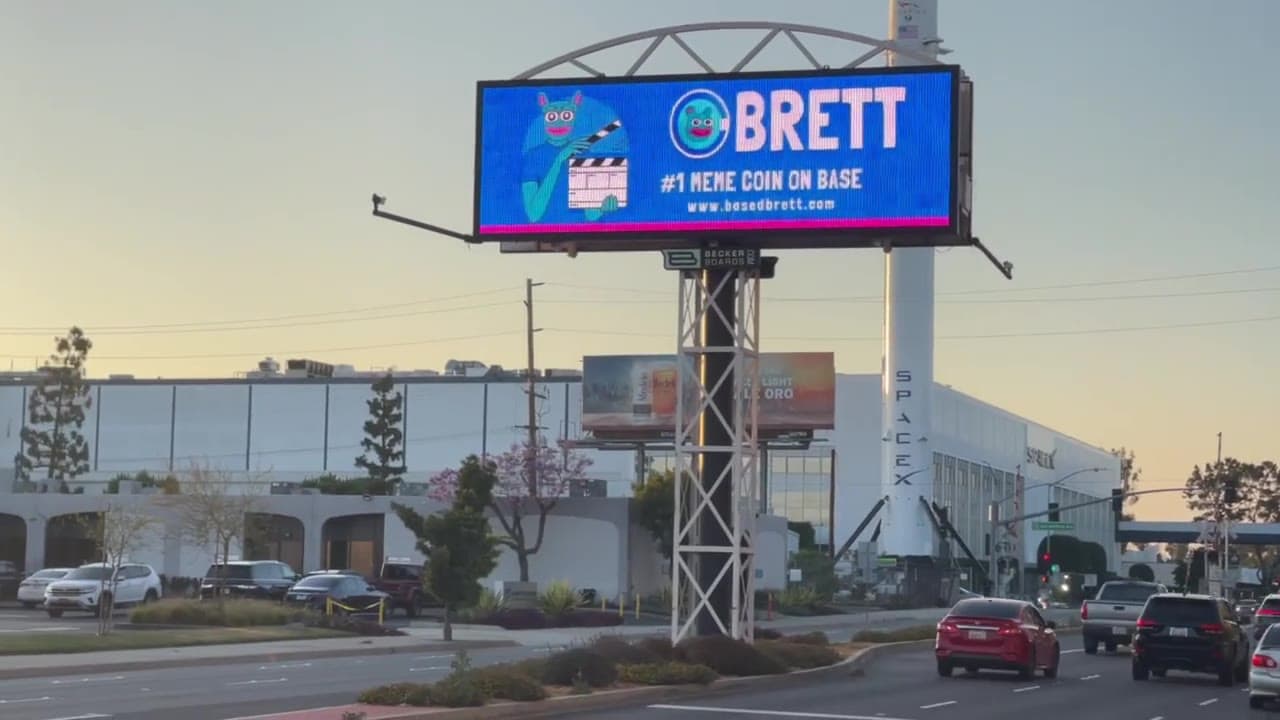
The same proof-over-promise standard applies whether the placement is a press hit or a Times Square billboard. EAC has run out-of-home campaigns from Times Square to a wrapped Lamborghini in Dubai to aerial banner flights over Amsterdam, and every one of those comes back as time-stamped footage the client can verify, the same way press placements come back as live links. If a firm can prove execution on the surfaces that are hardest to fake, that's a decent signal it's not faking the easier ones either. See the full range of lanes on the services overview.
Should you combine PR with other channels?
A press hit in isolation does less than the same hit paired with distribution. A tier-one placement that nobody sees because there's no amplification behind it is a wasted budget line. The firms that get this right pair press with either KOL pushes on crypto Twitter, Asia-market reach through Chinese CT KOLs and WeChat groups, or a visible out-of-home moment that gives the press story something to point back to. None of this needs to be complicated: a live article, a KOL thread referencing it, and a billboard clip circulating alongside it does more than three isolated efforts.
This is also where a lot of the "best of" lists you'll find online fall short. They rank firms by how polished the homepage is, not by whether the firm can actually run more than one lane at once. If your launch needs press, KOL reach, and a visible moment in the same week, a firm juggling three different subcontractors for those three things is going to be slower and less coordinated than an operator running all of it directly.
What does crypto PR typically cost?
Pricing across the industry is almost universally quote-based once you get past entry-level wire distribution, because scope varies so much by outlet tier, urgency, and whether the release needs to be written from scratch. Anyone quoting a flat number for "tier-one placement" without knowing your announcement, your outlet targets, and your timeline is guessing. The honest answer from any real firm, EAC included, is that press and KOL pricing is a quote on request once they know what you're trying to place and where.
What you can compare upfront is structure: does the firm publish its tiers (Basic, Standard, Premium, or similar), and can it tell you what's in each one before you're on a call. That transparency is a better filter than any published number, because published numbers for press placement are usually a floor, not a real quote.
Red flags to watch for
- Guaranteed coverage in named tier-one outlets for a flat, unusually low fee. Editorial outlets don't sell guaranteed coverage; if a firm promises it, they're either paying for a sponsored slot dressed up as editorial or they're not being straight with you.
- No live examples. If every case study is a screenshot instead of a working link, ask why.
- Vague "network" language with no specifics on what the firm owns versus what it resells.
- Pressure to sign before you've seen a sample placement or a rate card.
None of this is exotic. It's the same diligence you'd apply to any vendor handling your budget and your public narrative at the same time.
How to book without wasting a call
The fastest way to evaluate a crypto PR firm is to skip the discovery-call theater and ask for specifics directly: outlet list, tier pricing, timeline, and one live example. EAC runs this process over Telegram, direct to the operator handling the campaign, not a account manager relaying messages from someone else. That's a shorter path to a real quote than a 30-minute intro call that ends in "we'll follow up with a proposal."
What is the best crypto PR firm for a small project with a limited budget?
For a limited budget, start with a Basic or Standard press distribution tier rather than paying for a premium tier-one push you can't yet afford to amplify. Confirm the outlet list before paying, and make sure the firm hands back a live URL so you can verify the placement actually ran.
How much does crypto PR cost?
Entry-level wire distribution can run a few hundred dollars, but real tier-one placement and coordinated multi-outlet packages are quote-based because scope depends on the outlets targeted, urgency, and whether copy needs to be written from scratch. Any firm quoting a flat number for tier-one coverage without knowing your announcement first is guessing.
Do crypto press releases actually help with SEO or trust?
Wire-distributed releases mostly help with searchability and a paper trail of "in the press" links, but they carry limited editorial weight. Placement in an outlet with a real newsroom and real readers does more for trust with investors, exchanges, and journalists than syndicated wire pickup alone.
Should I combine PR with billboards or KOL marketing?
Yes, if the budget allows it. A press hit gets more attention when there's a visible moment, like an out-of-home placement or a KOL thread, pointing back to it, and vice versa. Running press in isolation typically underperforms a coordinated push across two or three channels timed to the same announcement.
Ready to put this into a campaign?
Explore the services, the billboards showcase, and the surfaces we operate across — then book on Telegram. Confidential. NDA available on request.