

Blockchain marketing strategy: build trust that converts
Learn how a blockchain marketing strategy blends press, KOL partnerships, and proof-driven channels to reach real crypto wallets.
- blockchain marketing
- crypto pr
- kol marketing
- token launch
- web3 strategy
Quick answer A blockchain marketing strategy is the mix of press, paid placements, KOL partnerships, and community work a crypto project uses to build verifiable trust and reach the right wallets. It works when it is built around proof (live links, footage, on-chain traction) instead of promises, and when channels are matched to the project's stage: pre-launch awareness, token generation event visibility, or post-launch retention.
Most blockchain marketing advice reads like a checklist: post on Twitter, get some influencers, run a giveaway. None of that is wrong, but it skips the actual decision a founder has to make, which is where to put a limited budget so it produces something a skeptical community can verify. Crypto audiences have been burned by paid shills and fake volume enough times that the strategy itself has to account for distrust, not just reach.
What makes blockchain marketing different from regular marketing?
Regular marketing sells a product to people who already trust the category. Blockchain marketing has to sell trust first and the product second. A DeFi protocol or a new L2 is asking someone to move real money based on claims that are easy to fake: fake TVL, fake volume, fake partnerships. Because of that, the channels that work best in crypto are the ones that produce something checkable: a live press URL, timestamped footage of a billboard, an on-chain transaction, a public KOL thread that stays up.
That is also why generic B2B marketing playbooks translate badly. A SaaS company can run a webinar funnel and call it a day. A crypto project has to fight algorithmic suppression on Twitter, a community that doxxes bad actors, and a press cycle that treats most token launches as noise unless the outlet is paid or the story is genuinely newsworthy.
What channels should a crypto project actually use?
There is no universal stack, but most working strategies pull from the same set of levers:
- Press and PR: tiered release distribution, coordinated multi-outlet packages, and tier-one placements. The value is the live URL, not the press release itself. A release nobody indexes does nothing.
- KOL and influencer marketing: crypto-Twitter accounts with real, checkable audiences. Vetting matters more than reach: a KOL with 200k bought followers is worse than one with 20k engaged ones.
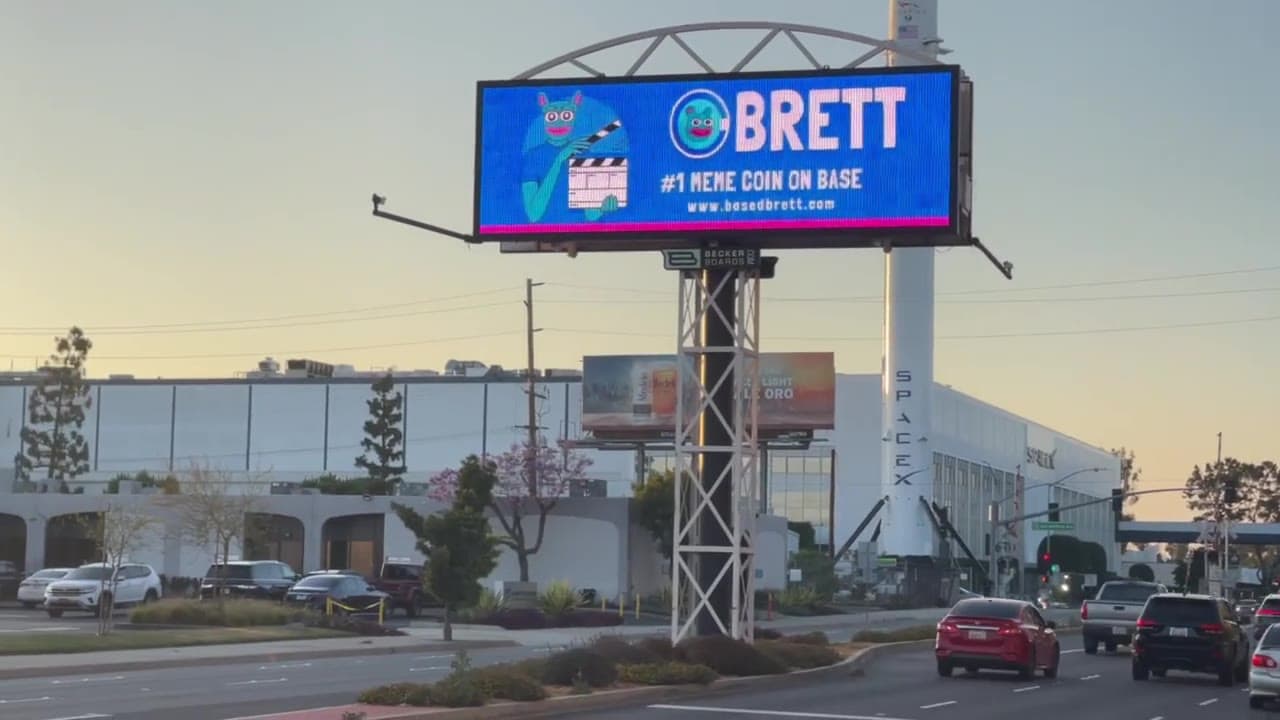
- Out-of-home and physical placements: billboards, LED trucks, wrapped vehicles, aerial banners. These do not convert on their own, but they are hard to fake and they signal a project has real budget behind it, which matters in a market full of anonymous teams.
- Asia and Chinese-market reach: WeChat groups, Little Red Book (Xiaohongshu) KOLs, Chinese CT accounts. A large share of trading volume and liquidity still routes through Asia-based communities, and most Western marketing plans ignore this entirely.
- Community and content: the ongoing work of keeping a Discord or Telegram alive, answering questions, and publishing updates that are not just price talk.
A full breakdown of how EAC runs each of these lanes is on the crypto marketing services page, including how press, KOL, Asia-market, and physical placements get sequenced together instead of run in isolation.
How do you sequence a strategy around a launch?
Timing decides whether the same budget produces momentum or noise.
Pre-launch (4-8 weeks out)
This is where press and KOL seeding do the most work. The goal is not conversions yet, it is making sure that when someone searches the project name, they find real coverage instead of an empty Twitter account. Basic and standard press tiers are usually enough here; save premium placements for the launch window itself.
Launch week
This is where physical proof pays off. A Times Square billboard run or an LED truck circuit gives a project something to point to that a Photoshop mockup can't fake: timestamped footage. It also gives KOLs and community members something concrete to post organically, which stretches the campaign past the paid placements themselves.
Post-launch retention
Most projects stop marketing right after launch, which is a mistake. The weeks after a token generation event are when a community either solidifies or evaporates. Continued content, KOL check-ins, and smaller press hits (partnership announcements, product updates) keep the project visible without needing another big spend.
Proof matters more than any single channel choice. EAC's own placements exist as verifiable examples of what execution actually looks like: a Times Square billboard run with time-stamped footage, a wrapped Lambo circulating through Dubai, aerial banner flights over Amsterdam, and tier-one press hits that resolve to live URLs. None of that is a case study with invented numbers attached, it is just what shipping looks like, and it's the same standard we hold every campaign to. The full set of placements is on the billboards page, and the rest of the service lanes are on the services overview.
How much should a blockchain marketing strategy cost?
Budgets vary by project stage and ambition, but a few real numbers help set expectations. A Times Square billboard placement runs around $2,750 per day. A Dubai Lambo wrap is around $3,500. A three-hour aerial banner flight is around $3,500. Press and KOL campaigns are quote-based because scope varies too much to give a flat number: a single premium placement costs differently than a 17-outlet coordinated package or an ongoing KOL retainer.
The mistake founders make is treating these as separate line items instead of a sequenced budget. Spending everything on press with nothing left for physical proof, or vice versa, tends to underperform a smaller budget split across two or three channels that reinforce each other.
How do you know if a blockchain marketing strategy is actually working?
Ignore vanity metrics that can't be checked. Impression counts and "reach" numbers from a KOL campaign are easy to inflate and hard to verify after the fact. Instead, track things that leave a trail:
- Live press URLs that still resolve weeks later, and whether they get picked up or cited elsewhere.
- Footage of physical placements, timestamped, that the community can screenshot and share.
- Organic reposts of KOL content, not just the paid post itself.
- On-chain activity in the days following a campaign push: wallet growth, transaction counts, liquidity changes.
A strategy that can't produce receipts is a strategy that is asking a skeptical audience to trust it on faith, which is exactly the problem blockchain marketing exists to solve.
Who should run a crypto project's marketing?
Some teams build in-house, hiring a community manager and a part-time PR contact. That works for very early-stage projects with small budgets and founders willing to do a lot of the legwork themselves. Once a launch date is set and there's real budget to deploy across press, KOL, and physical placements at the same time, most teams end up working with an agency that operates the channels directly rather than brokering them, since coordination across time zones and languages (especially for Asia-market work) is hard to do well part-time. EAC runs press, KOL, Asia-market, and out-of-home placements directly and books through Telegram, direct to the person running the campaign rather than through an account manager relaying requests.
What is the best blockchain marketing strategy for a new token launch?
Most launches do best with a sequence: press and KOL seeding in the weeks before launch, a visible physical or high-tier press push during launch week, then sustained content and community work afterward. The specific mix depends on budget, but skipping the post-launch phase is the most common mistake.
How much does crypto marketing cost?
Physical placements have public reference prices: a Times Square billboard is around $2,750/day, a Dubai Lambo wrap is around $3,500, and an aerial banner flight is around $3,500. Press and KOL campaigns are quote-based since scope varies widely by outlet tier and audience size.
Do billboards and out-of-home ads actually work for crypto projects?
They work as proof and signal more than as a direct conversion channel. A billboard or LED truck gives a project verifiable, timestamped footage that a fake screenshot can't replicate, and it gives the community something real to share, which extends reach past the placement itself.
Is influencer marketing still effective for crypto in 2025 and beyond?
Yes, but only with real vetting. Audience size alone is a weak signal since follower counts are easy to inflate. What matters is whether the KOL's audience actually engages and whether the content gets reposted organically rather than sitting as a single paid post.
Ready to put this into a campaign?
Explore the services, the billboards showcase, and the surfaces we operate across — then book on Telegram. Confidential. NDA available on request.