

Chinese crypto marketing: reaching WeChat, Weibo and CT KOLs
Chinese crypto marketing explained: how to reach WeChat groups, Weibo, Xiaohongshu and CT KOLs instead of translated Twitter posts.
- chinese crypto marketing
- wechat marketing
- ct kols
- xiaohongshu
- crypto pr
Quick answer Chinese crypto marketing means reaching the Chinese-speaking crypto audience (mainland China, Hong Kong, Taiwan, and the wider Chinese diaspora trading community) through the channels they actually use: WeChat groups, Weibo, Xiaohongshu (Little Red Book), and Chinese-speaking CT KOLs, plus placements on crypto-native Chinese platforms like CnToken and HKDefi. It works differently from Western crypto marketing because Twitter, Discord, and Telegram are not the default channels for this audience.
Most crypto projects run their entire marketing plan in English, post it to Twitter, and call it global. Then they wonder why they get zero traction from the largest pool of crypto-curious capital in Asia. Chinese-speaking traders and communities do not live on the same platforms as everyone else, and a press release translated into Mandarin is not a Chinese marketing strategy. It is a translated press release.
What does "Chinese crypto marketing" actually cover?
It is not one channel. It is a set of platforms and formats that only work if you treat the Chinese-speaking market as its own ecosystem rather than a language variant of your Western campaign. In practice this breaks down into a few real lanes:
- Chinese CT KOLs: crypto-focused influencers who post in Mandarin or Cantonese to audiences that do not follow English-language crypto Twitter at all.
- WeChat group pushes: direct distribution into trading and investment groups, which is closer to community seeding than broadcast advertising.
- Xiaohongshu (Little Red Book) KOLs: a platform Western marketers frequently ignore entirely, despite it being a major discovery surface for younger Chinese consumers, including crypto-curious ones.
- Native Chinese moderation: someone who actually speaks the language moderating your community in real time, not a bot translating replies.
- Placement on Chinese crypto-native sites such as CnToken and HKDefi, which function similarly to how CoinMarketCap or CoinGecko banners function in the West, but for a completely different audience.
Why doesn't a normal Western campaign work in China or Hong Kong?
Because the entire platform stack is different. There is no Twitter for most of the mainland audience, Discord is not the community default, and a Telegram group filled with English speakers does not reach a Mandarin-speaking trader who found your token on Xiaohongshu. Regulatory sensitivity also shapes how projects talk about themselves in the region, so messaging that is fine in a US press release can land wrong or get flagged in a WeChat group. A project that wants real reach into this market needs native-language creative, native moderation, and placement on the platforms this audience actually opens every day, not a mirror of the Western campaign with the words swapped out.
How do you actually reach Chinese-speaking crypto communities?
Start with the KOLs, not the ads
Chinese-speaking crypto KOLs carry the same kind of trust that CT KOLs carry in the West, sometimes more, because the audience has fewer alternative information sources given platform restrictions. Vetting matters here as much as it does anywhere: a KOL with a large following but no engagement from real traders is wasted spend regardless of language.
Use the platforms built for this audience
Banner placements on CnToken and HKDefi put a project in front of people already looking for crypto opportunities in the region, the same logic as a CoinGecko banner but pointed at the right audience. WeChat group pushes work more like direct outreach than advertising, so they need to be timed and framed as something worth reading, not a drop-and-run ad.
Don't skip Xiaohongshu
It gets left out of most crypto marketing plans because it does not look like a crypto platform. That is exactly why it works for reaching newer entrants to the space rather than the same recycled crypto-Twitter audience every project competes for.
Moderate in the language, not around it
A community manager who actually reads and writes Chinese fluently catches scam attempts, answers real questions, and keeps a WeChat or Telegram group from going quiet or off the rails. This is not a nice-to-have, it is the difference between a group that looks abandoned and one that looks active.
EAC runs the Asia and Chinese-market lane directly: CnToken and HKDefi banner placement, Chinese CT KOL campaigns, WeChat group pushes, Xiaohongshu KOLs, and native Chinese moderation. See the full breakdown on the services page.
Press release translated into Mandarin, posted to the same Western channels, no native moderation. Reaches almost nobody in the actual target audience.
Chinese CT KOLs, WeChat group seeding, Xiaohongshu placement, CnToken/HKDefi banners, native-language moderation. Reaches the audience where it already spends time.
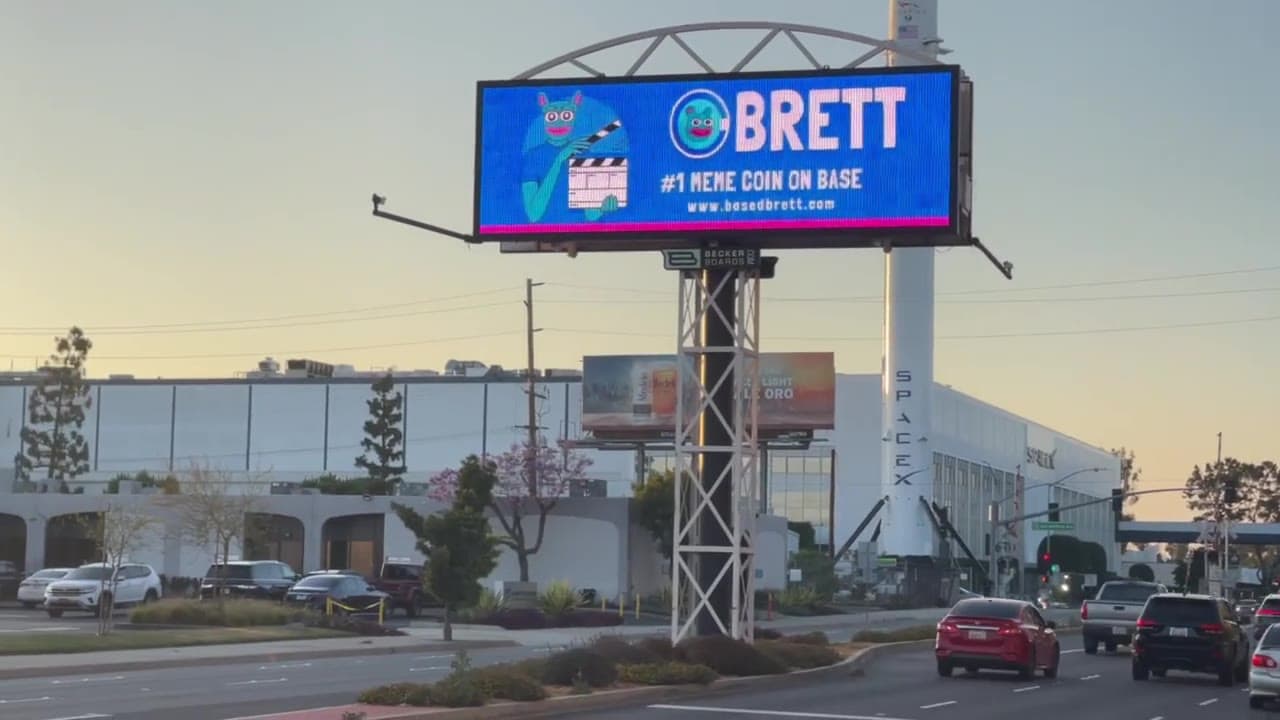
Proof matters here the same way it matters anywhere else EAC operates. The agency has run tier-one press placements with live links, put projects on a Times Square billboard, wrapped a Lamborghini in Dubai, and flown aerial banners over major metros, all handed back as footage or URLs a founder can check personally. The billboards showcase is a good look at how EAC treats proof of delivery across every lane, including the Asia and Chinese-market work, not just OOH.
What does a Chinese crypto marketing campaign cost?
Pricing for KOL campaigns, WeChat pushes, and banner placement on CnToken or HKDefi is quote-based, since it depends on the scope of KOLs used, the length of the campaign, and how many platforms are involved. If you want a straight number without a sales deck, message the operator directly on Telegram (@eac_owner) and ask for a quote against your specific goal, token stage, and timeline.
What should you check before hiring a Chinese crypto marketing agency?
- Do they operate the placements or resell them? A vendor list with a markup is slower and less accountable than an agency that runs the KOL relationships and platform placements directly.
- Can they show proof? Ask for actual screenshots or links from prior WeChat pushes, KOL posts, or banner placements. If they can't show it, they probably haven't done it.
- Do they have native-language moderation? A campaign that drives traffic into a Chinese-speaking community with no one who can actually talk to that community falls apart fast.
- Do they understand the platform mix? An agency that only talks about WeChat and ignores Xiaohongshu, or vice versa, is working from an outdated playbook.
What is the best platform for crypto marketing in China?
There is no single best platform. WeChat groups work for direct community reach, Xiaohongshu works for broader discovery among younger users, and Chinese CT KOLs work for credibility and distribution. A real campaign uses a mix rather than betting everything on one channel.
Is crypto marketing legal in China?
Mainland China restricts crypto trading and related promotion, which is why most native Chinese-market crypto marketing activity concentrates on Hong Kong, Taiwan, and diaspora communities where platforms like CnToken and HKDefi operate, alongside Chinese-language KOLs and community channels that serve this wider audience.
How do I find Chinese crypto KOLs to work with?
Vetting matters more than follower count. Look at engagement quality, whether the audience is made up of real traders, and whether the KOL has promoted projects that later delivered or projects that quietly vanished. An agency running Chinese-market campaigns regularly will already have vetted relationships rather than needing to cold-search each time.
Does Chinese crypto marketing include Hong Kong specifically?
Yes. Hong Kong operates under a different regulatory environment than the mainland and has its own crypto press, KOL scene, and platforms like HKDefi. Most practical "Chinese crypto marketing" work today runs through Hong Kong and diaspora channels rather than mainland platforms directly.
Ready to put this into a campaign?
Explore the services, the billboards showcase, and the surfaces we operate across — then book on Telegram. Confidential. NDA available on request.