

Crypto KOL marketing: how vetting stops wasted spend
Crypto KOL marketing works when influencers are vetted for fit, deliverables are tracked, and posts are proven to stay live.
- crypto kol marketing
- influencer vetting
- crypto twitter
- web3 marketing
- kol campaigns
Quick answer Crypto KOL marketing is the practice of paying or partnering with crypto-native influencers (on X, YouTube, Telegram, and in Asia, WeChat and Xiaohongshu) to talk about a project to an audience that already trusts them. It works when the KOLs are actually vetted for a fit with the project's niche and chain, when the deliverables are specific, and when someone is checking that posts go live and stay up. It fails when a project buys a list of follower counts and hopes.
Every founder who has run a KOL campaign has a story about a post that vanished six hours after payment cleared. That is the actual risk in this channel, not whether influencer marketing works in crypto. It does. The question is whether the campaign is run by someone who vets the talent, tracks the deliverables, and answers for the result.
What does a crypto KOL actually do?
A KOL (key opinion leader) is a person whose opinion moves attention and, sometimes, trading activity in a specific corner of crypto Twitter, Telegram, or YouTube. Some are traders with a large following built on calls. Some are researchers who break down tokenomics. Some are meme accounts with reach but no analytical weight. Some run private Telegram groups where a mention does more than a public post. Matching the right KOL type to the right project is most of the job. A DeFi protocol needs a different voice than a meme launch or an L2 rollup.
Why do most crypto KOL campaigns underperform?
Three recurring problems show up across the space:
- Wrong fit. A KOL with a large but generic crypto audience posts about a niche RWA project and nothing happens because the audience does not overlap.
- No verification. Payment goes out before anyone confirms follower authenticity, past engagement, or whether the account has been flagged for pay-to-post spam.
- No proof of delivery. Posts get deleted, edited, or quietly unpinned after the invoice is paid, and nobody screenshots the timeline.
None of this means KOL marketing is broken. It means it needs to be run the way any paid media channel is run: with vetting, briefs, and a record of what actually shipped.
How do you vet a crypto KOL before paying them?
A working vetting process looks at more than follower count:
- Engagement quality: real replies from real accounts, not bot comment farms.
- Content history: has the account promoted obvious low-quality projects back to back, or does it maintain some selectivity.
- Audience overlap: does the follower base actually trade or hold the category of asset the project is in.
- Track record with past campaigns: has the account delivered on time, kept posts live, and matched the agreed format.
This is the part that a project running its own outreach usually underweights, because it takes time and there is no shortcut for actually knowing which accounts in a given niche are worth the spend.
What should a KOL campaign actually include?
A specific brief beats a vague ask. Deliverables should be defined before any money moves: number of posts, platform (X thread, YouTube integration, Telegram group push), minimum time the post stays live, whether it is disclosed as sponsored, and what happens if engagement is clearly manipulated. Campaigns that run across multiple KOLs at once, rather than one influencer in isolation, tend to hold up better because the message shows up in more places a target audience actually looks.
How does Asia-market KOL marketing differ?
Chinese-market crypto marketing is its own discipline. Xiaohongshu (Little Red Book) KOLs, Chinese CT accounts, and WeChat group pushes operate on different platforms with different norms than Western crypto Twitter, and a campaign that ignores this split is leaving a large, active market untouched. Native moderation matters here too: a WeChat group push without someone who actually reads and responds in Chinese loses credibility fast. This is a distinct lane, not an afterthought bolted onto a Western KOL plan.
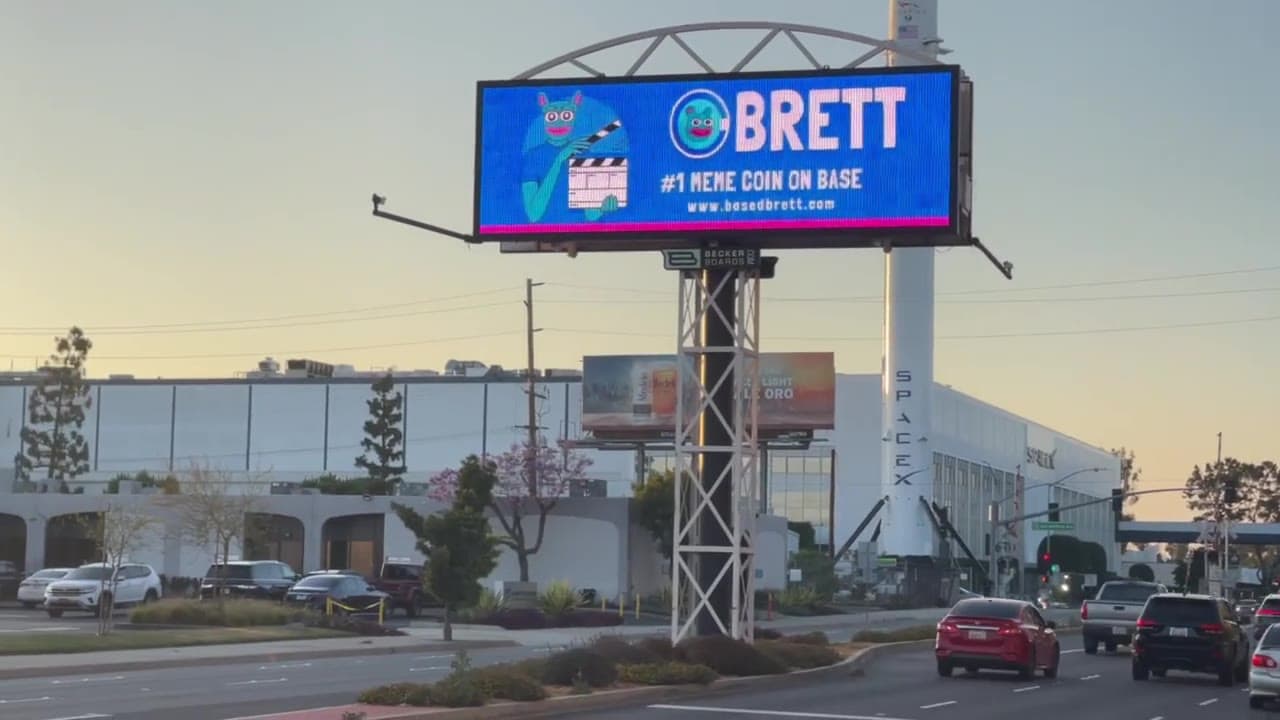
EAC runs crypto KOL and influencer campaigns as one lane inside a wider execution stack, alongside Times Square billboards, LED trucks, and a wrapped Lambo in Dubai that has been documented on camera and handed back as footage. Every placement, from a tier-one press hit to a KOL post, comes back as something a founder can check: a live link, a timestamp, a screenshot. That habit of proof is the same one applied to KOL work, whether it is a single CT account or a coordinated Chinese-market push. See the full list of lanes on the services page.
How much does crypto KOL marketing cost?
Pricing is quote-based because it depends on the KOL tier, platform, number of accounts, and whether the campaign includes Asia-market reach on top of Western CT. There is no honest flat rate to quote here; anyone giving one number for "crypto influencer marketing" without asking about the project first is guessing. A real quote comes after a project shares its niche, chain, budget range, and goals.
How does KOL marketing fit with press and OOH?
KOL posts move fast and fade fast. Press coverage and out-of-home placements last longer and carry a different kind of credibility, a live article URL or a billboard in Times Square is something a project can point to months later. Projects that run KOL activity alongside press and physical placements tend to build a more complete picture of visibility: KOLs for immediate reach into trading communities, press for searchable third-party credibility, OOH for the kind of proof that shows up in a screenshot a founder can send to an investor. None of these replace the others.
What does a founder need to have ready before booking a KOL campaign?
Before reaching out, it helps to have: a clear one-line description of the project and its category, a target audience (traders, holders, builders, a specific chain community), a budget range, and a sense of timeline (a launch date, a listing, an event). Campaigns booked with specifics move faster than ones that start with "we want some KOLs."
FAQ
What is a KOL in crypto marketing?
A KOL, or key opinion leader, is an individual with an established audience on X, YouTube, Telegram, or in Asia on WeChat and Xiaohongshu, whose opinions carry weight with crypto traders and holders. Crypto KOL marketing means paying or partnering with these accounts to talk about a project to their audience.
How much does it cost to hire a crypto KOL?
Cost varies by account size, platform, and niche, and legitimate agencies quote based on the specific campaign rather than a flat rate. Get a quote after sharing the project's category, budget, and goals rather than trusting a generic price list.
Is crypto KOL marketing worth it in 2026?
It is worth it when the KOLs are vetted for real audience fit and the campaign has clear deliverables and proof of what actually posted. It is not worth it when a project buys reach from generic accounts with no niche overlap and no way to verify the posts stayed live.
How do I find crypto KOLs for my project?
Working with an agency that already tracks which accounts deliver in a given niche is faster than manual outreach, because vetting engagement quality and audience overlap takes ongoing research. Booking through a Telegram-based operator who runs the vetting and reporting directly, rather than reselling a list, keeps the process accountable end to end.
Ready to put this into a campaign?
Explore the services, the billboards showcase, and the surfaces we operate across — then book on Telegram. Confidential. NDA available on request.