

Crypto KOL rates explained: what founders actually pay
Crypto KOL rates vary by platform, followers, and market. See real pricing ranges before you quote your next influencer campaign.
- crypto kol rates
- kol marketing
- crypto influencers
- ct kols
- web3 marketing
Quick answer Crypto KOL rates vary widely by platform and follower count: smaller crypto-Twitter (CT) accounts run a few hundred dollars per post, mid-tier KOLs with engaged followings run into the low thousands, and top-tier CT names or YouTube crypto reviewers can charge five figures for a dedicated video or thread. Rates also shift by market (Chinese KOLs and Xiaohongshu creators price differently than Western CT accounts), campaign length, and whether the deal is a flat post fee or includes ongoing engagement. There is no fixed rate card industry-wide, which is why most agencies quote per campaign after seeing the brief.
Every founder asks the same question before running an influencer campaign: what does this actually cost. The honest answer is that crypto KOL pricing is not standardized the way, say, a Google Ads auction is. It is a negotiated market, and the price depends on who you're talking to, what platform they're on, and what they're being asked to do.
What determines a crypto KOL's rate?
A few factors move the price more than anything else:
- Platform. A CT thread costs differently than a YouTube review, a TikTok clip, or a Telegram group push. Video production and watch-time generally command more than a text post.
- Follower count and engagement. Raw follower numbers matter less than actual engagement. A KOL with 40k followers and real replies can outperform one with 200k followers and a dead comment section, and pricing should reflect that, not just the vanity number.
- Market. Western CT KOLs price differently than Chinese-market creators. Little Red Book (Xiaohongshu) KOLs, WeChat group pushes, and native Chinese CT accounts have their own pricing logic tied to that market's audience behavior.
- Deliverable type. A single tweet is priced differently than a dedicated thread, an AMA appearance, or a multi-post campaign with follow-up content.
- Exclusivity and timing. Asking a KOL to avoid competitor promotions during a launch window, or asking for a post at a specific time tied to a listing, usually adds to the cost.
How much do crypto KOLs actually charge?
Rough, real-world ranges that founders should expect to see when quotes come back:
- Micro CT accounts (a few thousand to low tens of thousands of followers): often a few hundred dollars per post.
- Mid-tier CT accounts with steady engagement: commonly low thousands per post or thread.
- Top-tier CT names and larger YouTube crypto channels: can run into five figures for a single dedicated placement, especially with video.
- Chinese-market KOLs (Xiaohongshu, WeChat, Chinese CT): pricing follows a separate market structure and is usually quoted per platform and per follower tier rather than a universal number.
These are ranges, not quotes. Anyone selling you a fixed universal rate card for "crypto KOLs" is smoothing over a market that genuinely varies by name, moment, and platform. That is also why serious campaigns get priced after a brief, not off a menu. EAC's KOL and influencer service works this way: vetted CT names and Chinese-market creators matched to the project, quoted after seeing what the campaign actually needs.
Is a cheap KOL post worth it?
Sometimes. A low-cost post from a small, engaged account in your exact niche can outperform an expensive post from a broad, disengaged one. But cheap posts are also where a lot of budget gets wasted, bought placements that vanish into feeds with no real audience behind them, or accounts that never disclose the post is paid and get flagged by their own followers. The fix is not always spending more, it is vetting who you're paying before the invoice goes out: check engagement quality, check for wash-trading style bot followers, and check whether the account has a track record of actually moving a conversation, not just posting once and going quiet.
How should you budget a KOL campaign?
Most founders get better results building a spread instead of betting the whole budget on one big name. A mix of a few mid-tier accounts across CT plus a Chinese-market push tends to cover more ground than one expensive placement, and it gives you multiple data points on what's actually landing. Decide the deliverable first (single post, thread, video, ongoing mentions), decide the market (Western CT, Chinese CT, or both), then get quotes against that specific brief rather than asking "what do KOLs cost" in the abstract.
The number on a rate card means nothing without knowing who's actually behind the account and whether their audience is real.
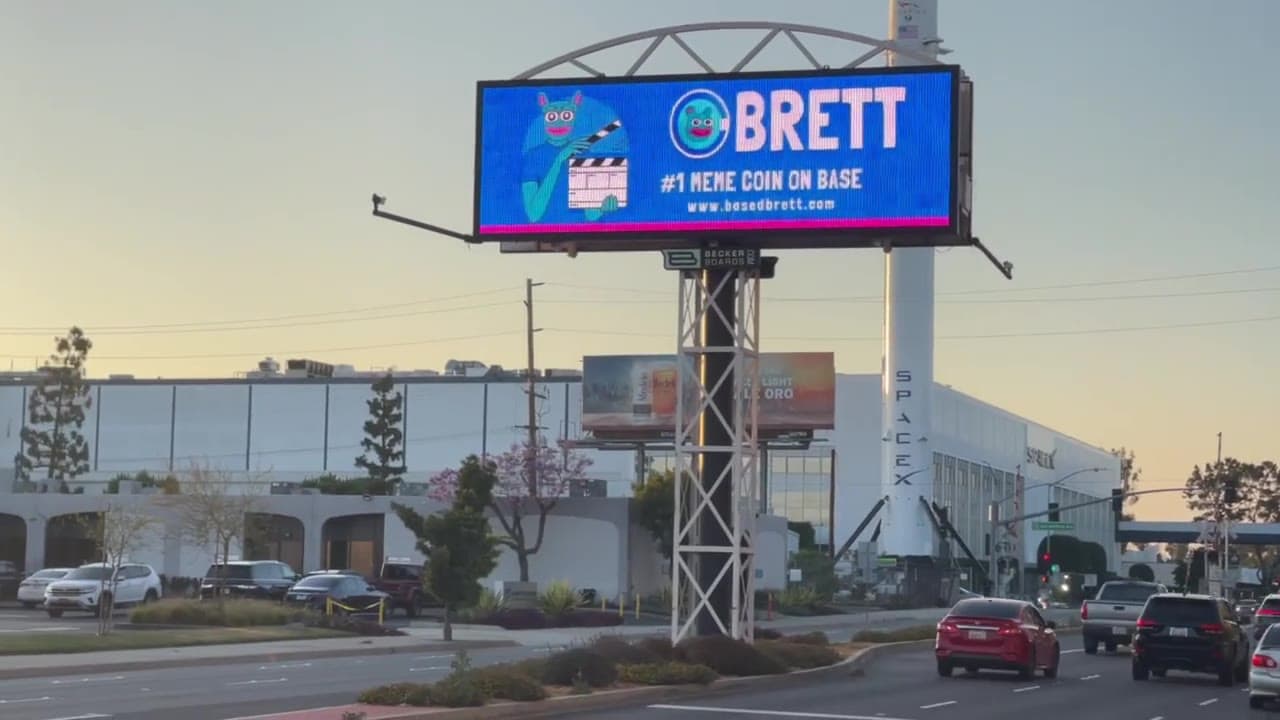
KOL spend works best as one piece of a wider push, not the whole campaign. Press with live links backs up the claims a KOL is making, and visible real-world placements give the project something screenshot-able beyond a Twitter thread. EAC has run Times Square billboard placements, a wrapped Lamborghini in Dubai, and aerial banner flights, each one handed back as time-stamped footage the client can verify, alongside the KOL and press work. It is proof EAC ships placements directly rather than reselling a list, which matters when you're deciding who to trust with a KOL budget.
How does agency pricing compare to going direct?
| Approach | Pricing | Vetting | Risk |
|---|---|---|---|
| Direct to KOL (DM/manager) | Whatever they quote, no benchmark | On you | Bot followers, no proof of delivery |
| Marketplace platforms | Listed but often inflated | Minimal | No relationship, hard to get makegoods |
| Agency with a KOL network | Quote-based, tied to real brief | Pre-vetted accounts | Lower, backed by proof of posting |
Going direct can work if you already know the account and their audience personally. For a full campaign spanning multiple KOLs and markets, an agency that vets accounts and can show past placements usually saves both money and wasted posts.
What should you ask before paying a KOL rate?
- Can they show engagement history, not just follower count?
- Will the post be disclosed as sponsored, and does that matter for the platform's rules?
- Is the price for a single post or does it include any follow-up mentions?
- Can they provide a screenshot or link once it's live, so the placement is verifiable?
That last point matters more than people think. A campaign is only worth what you can prove happened. Ask for receipts up front, the same way you'd ask a press outlet for a live URL instead of a promise.
How much does a crypto Twitter (CT) KOL charge per post?
It ranges from a few hundred dollars for smaller, niche accounts to low thousands for mid-tier names with real engagement, and into five figures for top-tier accounts or dedicated video content. There is no fixed rate, pricing is negotiated per campaign.
Do Chinese crypto KOLs charge differently than Western KOLs?
Yes. Chinese-market creators on platforms like Xiaohongshu, WeChat, and Chinese CT price according to that market's own audience dynamics and are usually quoted separately from Western CT rates. A campaign targeting both markets typically needs separate budgets and separate vetting.
Is it better to pay for one big KOL or several smaller ones?
Several smaller, engaged accounts across relevant niches often outperform one expensive placement, and spreading the budget gives you more data on what's actually working. Many founders combine both: a couple of mid-tier names plus a wider spread of smaller accounts.
How do I know if a KOL's followers are real?
Check engagement quality (replies, quote tweets, not just likes), look for sudden follower spikes that suggest purchased growth, and ask for past campaign screenshots or links. Agencies that maintain an ongoing KOL network usually vet this before quoting a rate, which is worth the markup versus going in blind.
Ready to put this into a campaign?
Explore the services, the billboards showcase, and the surfaces we operate across — then book on Telegram. Confidential. NDA available on request.