
Crypto marketing agency for NFT projects: what to check
Choosing a crypto marketing agency for NFT projects means checking for direct press, KOL, and visibility work with proof, not resold vendor lists.
- nft marketing
- crypto pr
- kol marketing
- nft launch
- web3 marketing
Quick answer A crypto marketing agency for NFT projects should run press, KOL, and visibility campaigns directly, not resell a vendor list, and hand back proof (live links, footage) for every placement. Look for agencies that combine tier-one press, vetted KOL networks, and real-world visibility like out-of-home, rather than one that only pushes a Twitter raid and a Discord bot.
NFT projects have a specific marketing problem. The mint window is short, the community has to feel real before launch, and most generic crypto marketing shops treat an NFT drop the same way they treat a token launch or a DeFi protocol. That mismatch is why so many NFT projects mint quiet.
An NFT launch lives or dies on pre-mint attention and post-mint proof that the project is real. That means press that outlets will actually publish, KOLs who talk to buyers rather than bots, and visibility that makes a holder screenshot something and send it to a friend. Below is what to actually check for when picking an agency for an NFT campaign.
What does an nft-focused crypto marketing agency actually do?
The job breaks into a few real lanes, not a bundled "package":
- Press and PR: getting the collection covered by crypto and mainstream outlets before and during mint, with a live URL as proof, not a promise of "media reach."
- KOL and influencer marketing: matching the project to crypto-Twitter voices and NFT-specific accounts whose audience actually buys, not just accounts with a big follower count.
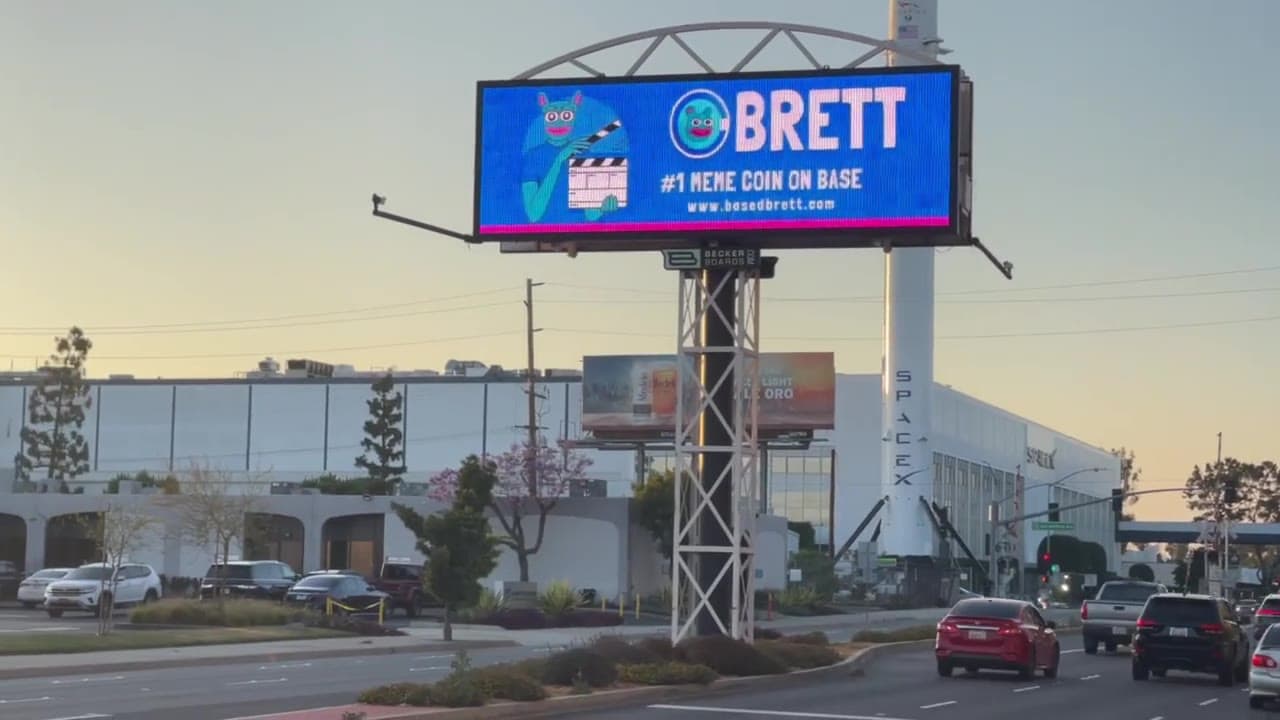
- Visibility / out-of-home: physical or large-format placements, billboards, LED trucks, wrapped vehicles, that turn a digital collection into something that looks real in the physical world. This matters more for NFTs than most crypto verticals because buyers are paying for a brand and a story, not just a yield curve.
- Asia and Chinese-market reach: NFT trading volume and collector culture in Asia is significant, and most Western agencies can't touch WeChat, Xiaohongshu, or Chinese CT KOLs at all.
- Creative: the visual identity, trailer, or campaign concept that gives KOLs and press something worth sharing.
EAC runs all of these lanes directly. A full breakdown of what's included in each is on the services page.
Why do most nft marketing campaigns fail before mint?
Three recurring problems show up across failed NFT launches:
- Buying reach instead of belief. A giveaway account with 200k followers doesn't convert to mint activity if the followers are farmers. NFT buyers move on social proof from accounts they actually trust.
- No physical presence. Every NFT project looks the same in a Discord screenshot. A project that shows up somewhere physical, a mural, a billboard, a booth at an event, reads as funded and real in a way a Twitter banner never will.
- Press timed wrong. A press hit that lands two weeks after mint is filler. A press hit that lands the week of mint, with a live link the team can point collectors to, does the actual job of building pre-mint confidence.
How does out-of-home marketing help an nft launch specifically?
NFT collectors buy into a story and a community as much as they buy into utility. A billboard in Times Square, a wrapped car in Dubai, or an aerial banner over a beach doesn't sell NFTs by itself, but it gives the project something concrete to point to during the hype cycle: proof that real money and real effort went into the launch, not just a Canva banner and a bot army.
EAC has run exactly this kind of placement for crypto projects: Times Square billboards, a wrapped Lamborghini in Dubai, aerial banner flights over major metros, and tier-one press with links the team can verify. These aren't hypothetical case studies, they're placements EAC operates directly and hands back as time-stamped footage or live URLs. The full run of formats is on the billboards showcase, and the same proof-first approach carries across every service lane on the services page.
What should you ask before hiring an nft marketing agency?
- Can you show proof of past placements? A real agency can hand over live URLs or footage. A reseller will show you a slide deck.
- Do you run the campaign directly or subcontract it? Every layer of subcontracting adds cost and removes accountability. Ask who actually executes the KOL outreach or books the billboard.
- Do you have Asia-market reach, or just US/EU Twitter? If a large share of your target collector base is in Asia, an agency without WeChat, Xiaohongshu, or Chinese CT KOL access is only covering half the market.
- What's the actual pricing model? Press and KOL work is typically quote-based depending on tier and outlet. Out-of-home has published day rates (for example, a Times Square placement runs around $2,750/day, a Dubai Lambo wrap around $3,500, an aerial banner flight around $3,500 for a three-hour flight). Be wary of anyone who won't give you a number until after a "discovery call."
How much does nft marketing cost?
It depends entirely on the lane. Out-of-home has fixed, quotable day rates because the inventory (a billboard, a truck, a plane) has a fixed cost. Press and KOL work is quote-based because tier, outlet, and audience size all move the price, and any agency that gives you a flat number without knowing your target outlets or KOL tier is guessing. The honest answer from a real operator is "quote on request" plus a breakdown of what moves the number, not a generic package price pulled from a rate card.
What does a realistic nft launch campaign look like?
A workable sequence for a mid-size NFT collection usually looks like this:
- Two to three weeks out: press push begins, targeting outlets that cover NFT drops specifically, plus creative work on trailer or key art.
- One to two weeks out: KOL campaign ramps, mixing established CT voices with NFT-specific accounts, timed to build toward mint day.
- Mint week: any physical/visibility placement goes live (billboard, mural, activation) timed to coincide with press coverage, so the two reinforce each other.
- Post-mint: press and KOL activity shifts to holder retention and secondary market visibility, not just the mint event itself.
The mistake most teams make is running these in isolation, one KOL blast with no press, or a billboard with no coordinated social push. The lanes work because they overlap in the same week, not because each one is impressive alone.
Should you hire one agency or piece together freelancers?
Piecing it together (a KOL freelancer here, a PR firm there, a billboard broker separately) usually costs more in coordination time and leaves gaps, because nobody owns the timing. An agency that runs press, KOL, and visibility directly can time the mint-week push so press, social, and physical placements land in the same window instead of trickling out over a month. That's the actual value of a single operator: not a discount, but a coordinated schedule.
An NFT launch is a one-week attention event wrapped around a mint transaction. Every marketing lane has to point at that week, not run on its own calendar.
Bookings run through Telegram directly with an operator, not a sales team forwarding requests to a vendor. That's worth checking for any agency you're evaluating: can you actually talk to the person running the campaign, or just an account manager.
What's the difference between an nft marketing agency and a general crypto marketing agency?
A general crypto agency often defaults to token-launch playbooks: exchange listings, liquidity announcements, tokenomics explainers. NFT marketing needs different assets, trailer or key art, mint-day coordination, collector-focused KOLs, and community building that centers on holder identity rather than APY. Ask any agency directly how their NFT process differs from their token launch process.
How do I find KOLs who actually buy NFTs and don't just shill?
Look for KOLs with a visible NFT holding history, not just crypto-adjacent follower counts. A vetted KOL network built specifically around NFT audiences will match accounts to your collection's price point and art style rather than blasting the same generic 50 accounts to every client.
Does paid press actually help an nft launch, or is it just for optics?
It does more than optics if it's timed right. A live press link gives potential mint buyers something to verify the project against beyond a Discord and a roadmap PDF, and it gives your KOLs and community something concrete to share in the days before mint. Timing it to land the week of mint matters more than the outlet's total traffic.
Is out-of-home marketing worth it for a smaller nft collection?
It depends on budget and goals. A single billboard day or an aerial banner flight won't sell out a mint by itself, but for a project trying to signal it's funded and serious, a physical placement gives the community proof to point to that a Twitter graphic can't. It works best paired with press and KOL activity in the same week, not as a standalone tactic.
Ready to put this into a campaign?
Explore the services, the billboards showcase, and the surfaces we operate across — then book on Telegram. Confidential. NDA available on request.