

Crypto marketing china: where the real audience is now
Crypto marketing china explained: why mainland ads are banned and how brands reach Hong Kong, diaspora, and Chinese-language crypto audiences.
- crypto marketing china
- hong kong crypto
- chinese kol marketing
- wechat marketing
- crypto diaspora audience
Quick answer Crypto marketing in China now runs through Hong Kong-linked channels and diaspora Chinese-language platforms rather than mainland exchanges: Chinese CT KOLs, WeChat group pushes, Little Red Book (Xiaohongshu) influencers, and placements on Chinese-market crypto sites like CnToken and HKDefi. Mainland trading and fundraising are still banned under PRC law, so the actual market is Chinese-speaking capital and communities in Hong Kong, Taiwan, Singapore, and the broader diaspora, plus mainland retail that reads Chinese content through VPNs and Telegram.
China banned crypto trading, mining, and token fundraising outright in 2021, and that ban is still in force under PRC law. That fact alone kills most generic "China crypto marketing" content, because it never explains where the actual audience is now. The answer: it moved to Hong Kong, to Chinese-language social platforms, and to a diaspora of traders and builders who never stopped caring about the market, they just stopped operating from the mainland.
Is crypto marketing even legal or possible in china right now?
Direct advertising to mainland Chinese consumers for crypto trading or fundraising is not something any legitimate agency should be promising you. The mainland ban covers exchanges, mining operations, and ICO-style fundraising, and a Shanghai court ruling that recognized crypto as legal property for civil disputes did not reopen the trading market. What is real and reachable: Hong Kong, which runs its own licensing regime for virtual asset platforms and has become the de facto hub for Chinese-speaking crypto activity, plus the huge population of Chinese-speaking traders, KOLs, and community mods based in Taiwan, Singapore, Malaysia, and overseas Chinese communities in North America and Europe.
Most of what gets called "China crypto marketing" is actually Chinese-language marketing aimed at that wider network, not a mainland ad buy. That distinction matters when you're picking who runs the campaign.
Where do Chinese-speaking crypto audiences actually pay attention?
- WeChat groups. Still the backbone of Chinese crypto community life. Project news, calls, and moderator-run discussion happen inside private and semi-private WeChat groups, not on open feeds.
- Chinese crypto-Twitter (CT) KOLs. A parallel KOL ecosystem to the English-language CT scene, with its own influencers who move opinion on Chinese-speaking Twitter/X and Telegram.
- Little Red Book (Xiaohongshu). Increasingly used for lifestyle-adjacent crypto content, especially anything touching wealth, trading culture, or NFT/consumer angles aimed at younger Chinese-speaking users.
- Chinese-market crypto sites. Platforms like CnToken and HKDefi function as the Chinese-language equivalent of CoinDesk or a listings site, banner placement there puts a project in front of people already reading Chinese crypto news daily.
- Native-language Telegram and Discord moderation. Community trust in Chinese-speaking crypto circles depends heavily on whether a mod actually speaks the language and understands the culture, not a translated FAQ.
What does a real china-facing crypto marketing campaign look like?
It's a stack, not a single tactic. A campaign that actually reaches Chinese-speaking crypto audiences typically combines banner placement on Chinese-market sites, a run of Chinese CT KOL posts timed around a launch or listing, a WeChat group push into existing communities, and native moderation so the conversation doesn't die the moment the KOL post goes up. EAC runs this as one coordinated lane rather than handing you a list of contacts to manage yourself: CnToken and HKDefi banners, Chinese CT KOLs, WeChat group pushes, Little Red Book KOL placement, and native Chinese moderation, booked and delivered directly. Full breakdown is on the services page.
Pricing on the Asia lane is quote-based because scope varies a lot: a single KOL post reads differently from a multi-week WeChat and banner push tied to a token listing. Ask for a quote through Telegram rather than guessing from a rate card.
Not available. Trading, mining, and fundraising are banned under PRC law. Any agency promising direct mainland exchange advertising is not being straight with you.
Fully available. Hong Kong, Taiwan, Singapore, and diaspora Chinese-speaking crypto audiences reached through WeChat, Chinese CT KOLs, Xiaohongshu, and Chinese-market crypto sites.
How is this different from just hiring an english-speaking KOL agency?
An English-language KOL shop can sometimes bolt on "a Chinese KOL or two" as an add-on line item. That's not the same as native moderation, a WeChat group that already has active members, or a banner slot on a site Chinese traders actually check. The gap shows up fast: a translated tweet reads like a translated tweet, and a WeChat group with no native mod goes quiet within days. Reaching this audience takes people who work inside the Chinese-language crypto scene daily, not an add-on.
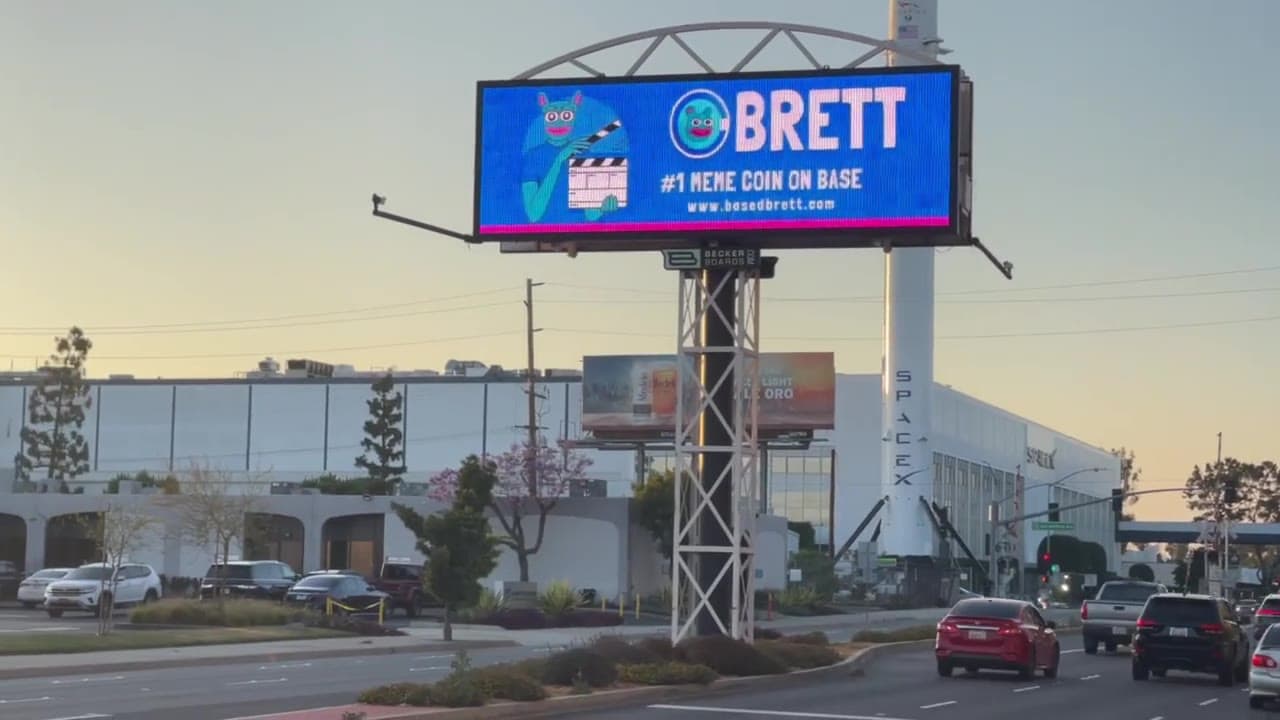
The same logic applies across EAC's other lanes. When a project needs visible proof its campaign shipped, not just a screenshot of engagement numbers, that's where the out-of-home side comes in: a Times Square billboard run, a wrapped Lambo in Dubai, or an aerial banner flight, each handed back as time-stamped footage. It's a different market than Chinese-language KOL work, but the same principle: real placements, verifiable proof, not a deck. See what's actually shipped on the billboards page.
Should press coverage be part of a china-facing campaign?
Yes, though it plays a supporting role rather than the lead. Tier-one press with a live URL still matters to Chinese-speaking investors and traders doing due diligence, even if the outlet itself is English-language. A project with credible press behind it, plus visible KOL and community activity in Chinese-language channels, reads as more legitimate than KOL noise alone. EAC's press lane covers tiered release distribution and tier-one placements, each returned as a link you can check yourself, and it pairs naturally with the Asia lane rather than replacing it.
The market didn't disappear when mainland trading got banned. It moved to Hong Kong, to WeChat, to a diaspora that never stopped reading Chinese crypto news. Marketing to "China" now means marketing to that network.
What should a founder ask before booking a china/Asia marketing package?
- Who actually runs the WeChat groups and KOL relationships: an internal team, or a reseller forwarding your brief to someone else?
- Can you see examples of live banner placements on CnToken or HKDefi, or actual KOL posts, before committing?
- Is moderation native Chinese-speaking, or a translated script run by someone who doesn't read the language?
- Does the quote separate Chinese-market KOL/community work from generic "Asia" marketing that's really just Southeast Asia or Korea?
Get specific answers before you pay. A vague "we have China reach" line with no named channel is the fastest way to burn a budget on a WeChat group nobody reads.
Is crypto legal in China in 2025?
Crypto trading, mining, and token fundraising remain banned on the mainland under PRC law. A Shanghai court has recognized crypto as legal property in civil disputes, but that ruling does not reopen exchange trading or ICO-style fundraising for mainland residents.
How do crypto projects market to Chinese audiences if trading is banned?
Marketing targets Hong Kong, Taiwan, Singapore, and the Chinese-speaking diaspora through Chinese-language channels: WeChat groups, Chinese CT KOLs, Little Red Book influencers, and banner placement on Chinese-market crypto sites like CnToken and HKDefi, rather than direct mainland advertising.
What is a Chinese CT KOL?
A Chinese CT (crypto-Twitter) KOL is an influencer who posts about crypto projects to a Chinese-language audience on Twitter/X and related channels like Telegram. They run parallel to English-language crypto-Twitter influencers and are typically vetted and booked separately.
How much does Chinese-market crypto marketing cost?
Pricing depends on scope: a single KOL post costs less than a multi-week campaign combining WeChat pushes, banner placement, and native moderation. This lane is quote-based, so the real move is to describe the campaign and ask for a quote through Telegram rather than relying on a generic rate card.
Ready to put this into a campaign?
Explore the services, the billboards showcase, and the surfaces we operate across — then book on Telegram. Confidential. NDA available on request.