

Korean crypto marketing: what actually works in Korea
Korean crypto marketing explained: localized press, Korean-speaking KOLs, and exchange visibility on Upbit and Bithumb that build real trust.
- korean crypto marketing
- kol marketing
- crypto pr
- upbit
- bithumb
Quick answer Korean crypto marketing means getting a project in front of Korea's retail base through the channels they actually use: KakaoTalk and Naver-native press, Korean-language KOLs, and listings visibility on Upbit, Bithumb, Coinone, Korbit, and Gopax. It works differently from Western or Chinese campaigns because Korean traders check press credibility and exchange presence before they check Twitter. A working plan combines localized press, vetted Korean KOLs, and a visible offline or on-chain presence that Korean communities can verify.
South Korea has one of the highest crypto adoption rates of any country, with a meaningful share of the adult population holding some position in the market. That size and density make it one of the most valuable markets to break into, and one of the easiest to get wrong if you treat it like an extension of a Western or Chinese campaign.
Why is Korean crypto marketing different from other regions?
Korean crypto traders behave differently from US or European retail. The market is concentrated on a handful of domestic exchanges (Upbit and Bithumb hold most of the volume, with Coinone, Korbit, and Gopax filling out the rest), and Korean traders are known for reacting fast to listings and news. Trust signals matter more here than raw hype. A project with real press coverage, a working product, and visible activity outside Korea tends to get taken more seriously than one running only paid Telegram pumps.
Language and platform habits are the other big difference. KakaoTalk, not Telegram, is the dominant messaging app for Korean communities. Naver, not Google, is the default search and news surface. A campaign built entirely on English-language Twitter and Discord will miss most of the actual Korean retail base.
What actually moves the needle in the Korean market?
- Localized press coverage. Korean traders check for coverage on Korean crypto and finance news outlets before trusting a project. English-only press releases don't reach this audience.
- Korean-speaking KOLs. Crypto-Twitter influencers who write in Korean, or who run Korean YouTube and blog channels, carry more weight with local retail than global English-language accounts.
- Exchange visibility. Even without a listing, projects that show up in the conversation around Upbit or Bithumb (through community chatter, analyst coverage, or trending mentions) get more organic pickup.
- Proof the rest of the world is paying attention. Korean retail watches what's happening globally. A project with visible traction elsewhere (press, KOL reach, physical presence) reads as more credible once it lands in Korean channels.
Should you run press, KOLs, or both?
Press and KOLs solve different problems. Press builds the paper trail retail traders look for when they search a project name. KOL campaigns drive the actual conversation and timing around a launch, listing, or announcement. Running press without KOL support means the coverage sits unseen; running KOL campaigns without press means retail has nothing to verify the hype against.
EAC runs coordinated press packages and vetted KOL matching as part of its marketing services, and can pair localized outreach with a project's broader global press push so the Korean market isn't a separate, disconnected campaign.
Builds the searchable trust signal Korean retail checks before trading. Slower to show impact, but it's what shows up when someone searches your token name on Naver.
Drives immediate conversation timed to a launch or listing. Requires native Korean-speaking talent, not translated English scripts.
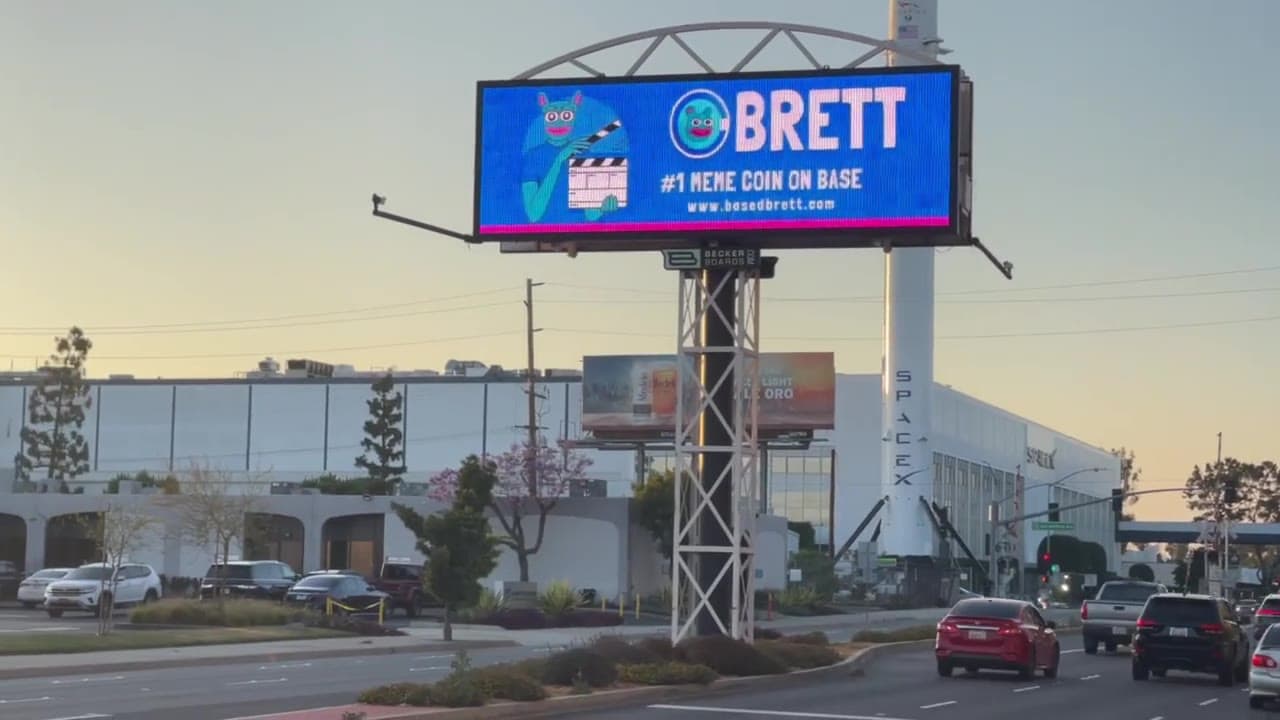
Global out-of-home placements give Korean communities something concrete to screenshot and share as proof the project is real beyond Twitter.
Does global visibility actually help inside Korea?
Yes, and it's underused. Korean crypto communities pay close attention to what's happening outside Korea before deciding a project is worth their attention. A tier-one press hit, a KOL campaign running in parallel across markets, or a physical placement that circulates as footage gives Korean traders something to verify beyond a whitepaper claim.
EAC has run Times Square billboard placements, a wrapped Lambo campaign in Dubai, and aerial banner flights, all handed back as time-stamped footage that a project can screenshot and share into Korean group chats as proof, not just a promise. It's not a Korea-specific tactic on its own, but paired with localized press and KOL outreach it gives Korean retail the kind of hard-to-fake signal they respond to. See the billboard and OOH showcase or the full services overview for what's actually been shipped.
What does a realistic Korean crypto marketing plan look like?
- Localize the press first. Get coverage translated and placed on Korean-read outlets, not just distributed as an English release with a Korean summary bolted on.
- Match with Korean-speaking KOLs. Vet for actual Korean crypto-Twitter or YouTube reach, not follower count alone. A mid-size Korean-language account often outperforms a large English one for this audience.
- Time it around a real catalyst. Listings, product launches, or major announcements are what Korean retail reacts to. Running a campaign with no news attached burns budget.
- Layer in visible proof. Global press links, footage from physical placements, or other verifiable activity give Korean communities something concrete to reference when they're deciding whether a project is worth following.
- Keep a KakaoTalk-native presence. If the community lives on Telegram only, it's invisible to a large share of Korean retail.
What should you budget for a Korean market push?
Korean press and KOL pricing runs on a quote basis, since it depends on outlet tier, KOL reach, and campaign length. Global OOH placements that pair well with a Korea-focused push (used as proof and shared into local channels) have public reference pricing: a Times Square billboard day runs around $2,750, a Dubai Lambo wrap is around $3,500, and a 3-hour aerial banner flight is around $3,500. For Korean press and KOL matching specifically, get a direct quote rather than working off a generic rate card, since outlet tiers and KOL reach vary widely.
What is the best way to market a crypto project in Korea?
Pair localized Korean-language press with vetted Korean-speaking KOLs, and time the push around a real catalyst like a listing or launch. Skipping localization and running only English-language Twitter or Telegram campaigns misses most of the Korean retail audience, which relies on Naver search, KakaoTalk groups, and domestic exchange chatter.
Which exchanges matter most for Korean crypto marketing?
Upbit and Bithumb carry the bulk of Korean trading volume, with Coinone, Korbit, and Gopax rounding out the rest. Visibility and conversation around these exchanges (whether through listings, analyst coverage, or community chatter) carries more weight with Korean retail than presence on international exchanges alone.
Do I need Korean-language content, or does English work?
You need Korean-language content for press, KOL scripts, and community channels. English-only material with a translated summary reads as an afterthought to Korean retail and rarely gets picked up by Korean crypto press or shared inside KakaoTalk groups.
How much does Korean crypto PR and KOL marketing cost?
Pricing is quote-based and depends on outlet tier, KOL follower reach, and campaign length. EAC provides direct quotes through Telegram rather than a fixed rate card, since Korean press and KOL costs vary by outlet and by how competitive the current news cycle is.
Ready to put this into a campaign?
Explore the services, the billboards showcase, and the surfaces we operate across — then book on Telegram. Confidential. NDA available on request.