

WeChat crypto marketing: how it actually works
Learn how wechat crypto marketing works through group pushes, official accounts, and KOLs to reach Chinese-speaking crypto audiences.
- wechat marketing
- chinese crypto market
- kol marketing
- crypto community
- web3 marketing
Quick answer WeChat crypto marketing means reaching Chinese-speaking crypto audiences through WeChat's official accounts, group chats, and moderated communities, since WeChat itself restricts direct crypto content and links. It works as part of a broader Chinese-market push that combines WeChat group pushes with Chinese CT KOLs, Xiaohongshu (Little Red Book) placements, and native moderation, not as a channel run alone.
Crypto founders searching for WeChat marketing usually hit the same wall fast: WeChat is a closed platform that actively restricts crypto-related content, official accounts get banned for token promotion, and most Western agencies have no real presence inside it. The platform still matters because it is where a huge share of Chinese-speaking crypto traders, fund allocators, and community organizers actually talk. The question is not whether to use WeChat, it's how to work inside its restrictions without getting your account or your project's reputation wiped out.
Why is WeChat crypto marketing different from other social platforms?
WeChat is not an open feed like X or Telegram. It runs on official accounts, mini-programs, and private group chats, and it is subject to Chinese platform rules that treat crypto promotion as a compliance risk. You can't just buy an ad slot and blast a token launch to millions of users. Real WeChat crypto marketing happens through:
- Private and semi-private group chats where traders and community members share information
- Official accounts that publish project updates in a format that survives moderation
- KOLs and community organizers who already have trust inside existing WeChat groups
- Coordinated pushes timed around a launch, listing, or announcement
None of this works if it's run by someone who doesn't read Chinese and doesn't understand what gets an account flagged. That's the actual barrier most projects hit: not budget, but access and native moderation.
How do WeChat group pushes actually work?
A WeChat group push is exactly what it sounds like: a project's message, announcement, or offer gets placed into relevant, active WeChat groups where crypto traders and community members already congregate. This is different from cold outreach. The groups have to be real, active, and relevant to the project's category (DeFi, gaming, an exchange listing, an airdrop) or the push reads as spam and gets ignored or the account gets reported. Effective group pushes are paired with native Chinese moderation: someone answering questions, handling FUD, and keeping the conversation from turning into a scam-report thread. Without a moderator in the group, a push is just a message that disappears in twenty minutes.
Where do Chinese CT KOLs fit into a WeChat campaign?
Chinese-language crypto Twitter KOLs and WeChat group leaders often overlap. A KOL with an audience on Chinese crypto Twitter frequently also runs or has direct access to WeChat groups, meaning a single relationship can cover two surfaces. This matters because KOL credibility carries over: a trader who trusts a specific voice on Chinese CT is far more likely to act on that same voice's WeChat post than on a cold official-account announcement from a project they've never heard of.
Matching a project to the right KOLs, not just the biggest follower count, is where most campaigns succeed or fail. A KOL known for calling DeFi plays is the wrong fit for an NFT gaming launch, regardless of reach.
What about Xiaohongshu (Little Red Book) and other Chinese platforms?
WeChat rarely works alone. Xiaohongshu (Little Red Book) has become a real discovery surface for younger Chinese audiences, including crypto-curious users who wouldn't necessarily be in a trading-focused WeChat group. A full Chinese-market push typically layers:
- WeChat group pushes for direct trader and community reach
- Chinese CT KOL posts for credibility and amplification
- Xiaohongshu KOL content for broader discovery
- CnToken and HKDefi banner placements for sustained visibility on crypto-native Chinese sites
- Native moderation across all of it, so questions get answered in real time and not left to sit
Running WeChat alone without the surrounding layer usually produces a short spike that fades once the group push ends. The point of stacking channels is that a trader sees the same project in three or four places over a week, which is what actually builds recall.
What does proof of execution look like for Chinese-market campaigns?
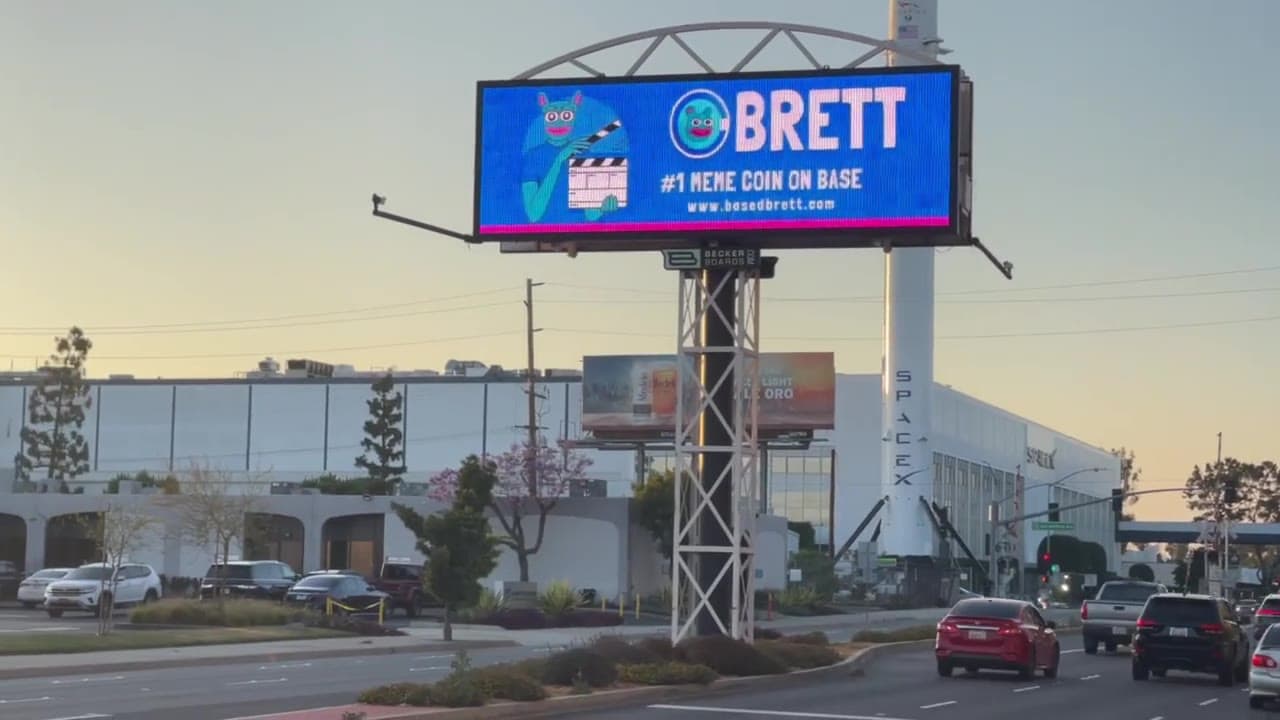
EAC runs Asia and Chinese-market campaigns directly: CnToken and HKDefi banners, Chinese CT KOL bookings, WeChat group pushes, Xiaohongshu KOL placements, and native Chinese moderation, all handled by an operator who works the market instead of forwarding requests to a vendor list. The same execution standard applies across every surface EAC runs, including the visible ones: a Times Square billboard, a wrapped Lamborghini in Dubai, or an aerial banner flight, each handed back as footage a founder can screenshot and verify. See the full range on the billboards showcase and the complete list of lanes on the services page.
How much does WeChat crypto marketing cost?
Pricing for WeChat group pushes, Chinese CT KOL bookings, and Xiaohongshu placements is quote-based, because it depends on the number and size of groups, the KOL tier, campaign length, and whether moderation is needed for a single push or an ongoing presence. There's no honest flat rate to quote here, and any site that gives you one without asking about your project category and target audience is guessing. The way to get a real number is to describe the campaign and ask directly.
What mistakes do projects make with WeChat crypto marketing?
- Treating it like a Western social channel. WeChat has no open feed to post into. Without existing group access or an official account already in good standing, there's nothing to "post" to.
- Skipping moderation. A push into a group with no one answering questions in Chinese, in real time, looks like a drive-by scam attempt.
- Ignoring platform restrictions. Overt token-price promotion and exchange referral links get official accounts banned. Content has to be framed around project updates, ecosystem news, and community value.
- Running WeChat in isolation. A single group push with no KOL backing and no Xiaohongshu layer rarely produces lasting recall.
How do you get started?
Start with the category the project actually fits: DeFi, gaming, an exchange listing, an infrastructure launch. That determines which WeChat groups and which Chinese CT KOLs are relevant. From there, the campaign gets scoped: number of group pushes, KOL tier, whether Xiaohongshu and banner placements are included, and how long moderation runs. Booking runs through Telegram, direct to an operator, not a form that sits in a queue for a week.
Can you run crypto ads directly on WeChat?
Not in the way you'd run an ad on X or Google. WeChat restricts overt crypto promotion, especially token price talk and exchange referral links, and official accounts that push this content risk suspension. Real WeChat crypto marketing works through group pushes, official account content framed around project updates, and KOL relationships rather than paid ad units.
Is WeChat still relevant for crypto marketing in 2026?
Yes, because a large share of Chinese-speaking crypto traders and community organizers still coordinate through WeChat groups, even as Xiaohongshu and other platforms have grown for broader discovery. It's rarely the only channel used, but it remains one of the direct ways to reach active Chinese crypto communities.
What's the difference between a WeChat official account and a WeChat group push?
An official account is a branded presence that publishes content over time, similar to a company page. A group push is a targeted placement of a message into existing, active WeChat groups where relevant traders or community members already participate. Most campaigns use group pushes for immediate reach and reserve official accounts for longer-term presence.
How does WeChat marketing compare to using Chinese CT KOLs alone?
Chinese CT KOLs build credibility and reach on Chinese crypto Twitter, and many also have direct access to WeChat groups, so the two often work together rather than as alternatives. Using KOLs alone misses the trader groups on WeChat where a lot of direct discussion and decision-making happens; using WeChat alone misses the broader credibility and amplification a known KOL voice provides.
Ready to put this into a campaign?
Explore the services, the billboards showcase, and the surfaces we operate across — then book on Telegram. Confidential. NDA available on request.