

What is blockchain marketing? A clear breakdown
What is blockchain marketing, explained in plain terms: crypto project promotion versus blockchain-powered ad tech, and which one matters now.
- blockchain marketing
- crypto marketing
- web3 marketing
- token launch
- kol marketing
Quick answer Blockchain marketing means two different things people mix up. It is marketing for crypto and web3 projects (PR, KOLs, billboards, press, launch campaigns for tokens and protocols), and it is also the use of blockchain technology itself inside marketing systems (on-chain attribution, tokenized loyalty, verifiable ad delivery). Most founders searching this term mean the first one: how to market a crypto project.
Search "blockchain marketing" and you get two answers tangled together. Academics and ad-tech writers use it to describe blockchain as a tool for solving marketing problems like ad fraud and data ownership. Founders use it to mean marketing a blockchain project. Both are real. This article covers both, but spends more time on the version that actually matters if you are trying to get a token or protocol in front of buyers this quarter.
What does "blockchain marketing" actually mean?
In practice, blockchain marketing splits into two lanes.
- Marketing for blockchain projects. This is promoting a crypto token, protocol, exchange, or web3 app to traders, users, and investors. It uses press coverage, influencer campaigns, out-of-home placements, and community channels built specifically for crypto audiences.
- Marketing powered by blockchain technology. This is using blockchain as infrastructure inside marketing itself: tracking ad impressions on-chain so they can't be faked, running loyalty programs with tokens instead of points, or letting users own their own data and opt into ad targeting for a cut of the revenue.
The second lane is mostly theoretical outside a handful of pilot programs. The first lane is where budgets actually move, and it is the one most people typing this phrase into Google are trying to figure out.
Why do crypto projects need a different kind of marketing?
Generic digital marketing playbooks do not transfer cleanly to crypto. Facebook and Google restrict crypto ad spend. Crypto audiences live on Twitter/X, Telegram, and Discord, not on channels a normal ad buyer would target. And the audience is skeptical by default, because the space has a long history of projects overpromising and disappearing.
That skepticism changes what works. A crypto audience does not respond to polished brand copy. It responds to things it can verify: a live press link it can click, a screenshot of a billboard with a timestamp, a KOL it already follows and trusts talking about the project unprompted. Marketing built around crypto marketing services designed for this audience looks different from a standard B2C launch plan because the trust problem is different.
What channels actually make up blockchain marketing?
Crypto PR and press
Getting covered by crypto-native and tier-one outlets still moves the needle, especially for credibility with exchanges, investors, and larger KOLs who check press before they'll work with a project. Press campaigns typically run in tiers, from a basic wire release up to coordinated placements across a dozen-plus outlets, and every placement should come back as a live URL you can check yourself, not a PDF report.
KOL and influencer campaigns
Crypto Twitter influencers carry more weight with a token-buying audience than almost any other channel, because their followers already trust their calls. This only works if the KOL is actually vetted against the project's niche and audience, not just picked for follower count.
Out-of-home and real-world placements
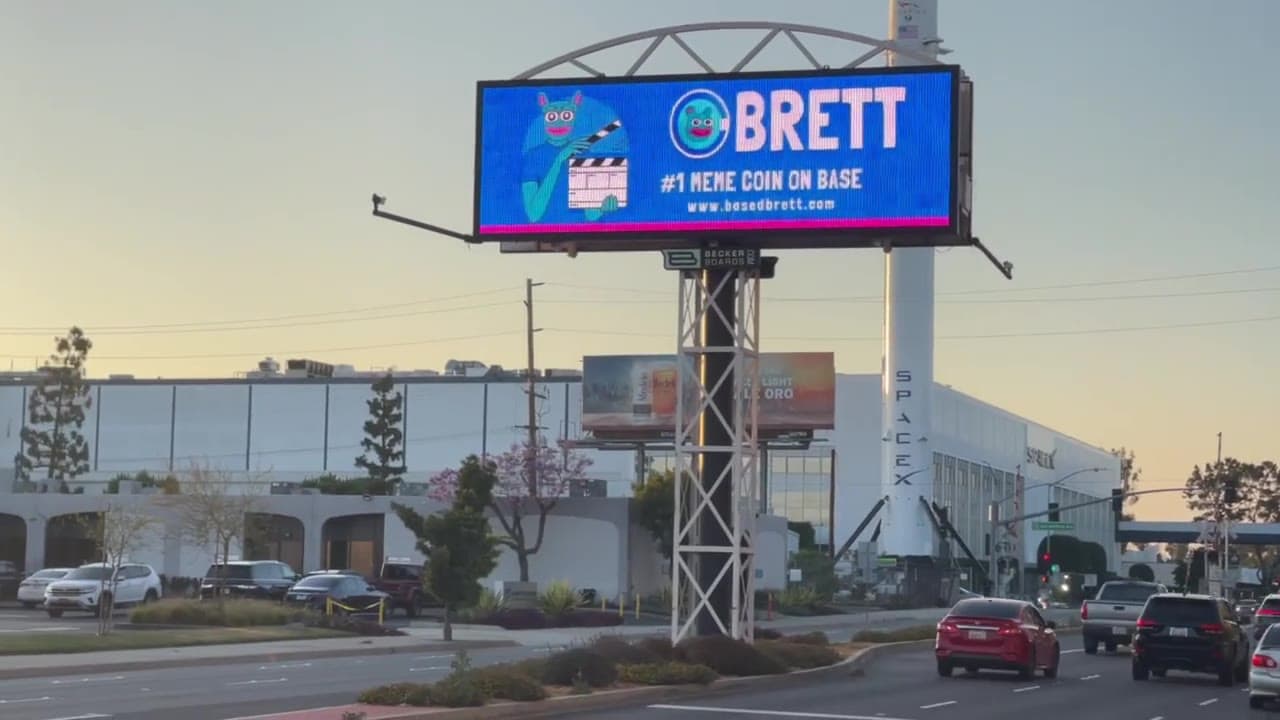
A Times Square billboard, an LED truck, a wrapped car in Dubai, an aerial banner over a city, these exist to do one job: give a project something undeniably real to point to. In a market full of fake screenshots and paid engagement, physical placements are hard to fake and easy to verify.
Asia and Chinese-market reach
A huge share of crypto trading volume and community activity sits in Chinese-speaking markets. That means WeChat groups, Little Red Book (Xiaohongshu) KOLs, native Chinese moderators, and platforms like CnToken and HKDefi banners, channels most Western agencies don't touch because they don't have the network for it.
Creative and identity
Everything above needs creative that doesn't look like a stock crypto template: campaign concepts, identity work, guerrilla ideas that fit the surface they're running on.
Relies on Google/Meta ad platforms, brand-safe copy, standard analytics dashboards. Crypto ad restrictions limit reach on these platforms.
Runs on crypto-native press, CT KOLs, Telegram/Discord community, and real-world OOH that produces verifiable proof (links, footage).
EAC's placements exist as proof of this, not just talk. A Times Square billboard run, a wrapped Lambo in Dubai, an aerial banner flight over a metro, tier-one press with live links attached, Chinese-market KOL pushes through CnToken and HKDefi, these are placements EAC has actually operated and handed back as time-stamped footage or clickable URLs. See the billboards showcase for examples of what that proof looks like, or the full services overview for how the channels fit together.
How does blockchain technology get used inside marketing itself?
Separate from marketing crypto projects, there is a smaller but real conversation about using blockchain as infrastructure for marketing generally:
- Ad fraud reduction. Recording ad impressions and clicks on a shared ledger makes it harder to fake traffic, since every party can check the same record instead of trusting a single ad network's report.
- Data ownership and consent. Some projects let users hold their own data and opt in to sharing it with advertisers directly, cutting out the data broker layer.
- Tokenized loyalty. Instead of points that only work inside one brand's app, a loyalty token can in theory move and get used elsewhere.
- Supply chain and provenance claims. Brands sometimes use blockchain records to back up claims about where a product came from, which functions as a marketing trust signal as much as a technical one.
These use cases show up in academic papers and ad-tech pitch decks more than in day-to-day campaign execution. If you're a founder trying to market an actual token or protocol, this lane is worth knowing about but is not where your budget should go first.
How do you actually plan a blockchain marketing campaign?
- Know what stage the project is at. A pre-launch token needs community and press to build anticipation. A live protocol needs sustained credibility and user growth, which leans harder on KOLs and ongoing press.
- Pick channels the target audience actually uses. Traders on Twitter respond to different things than DeFi users in Discord or retail buyers reached through Chinese social platforms.
- Build in proof from day one. Every placement, press hit, or KOL post should be something a skeptical buyer can click and check. That's what separates a real campaign from a paid-engagement farm.
- Match spend to the market cycle. Press and KOL work move faster and cheaper than large OOH buys; billboards and aerial banners work best when there's already momentum worth amplifying.
- Book through people who operate the placements. A lot of "agencies" in crypto are just forwarding your brief to a vendor list and marking it up. Working with a team that runs the placement directly, whether that's press, KOLs, or a billboard, means faster turnaround and real receipts instead of a promise.
The audience for a crypto launch has seen a hundred fake screenshots. A live press link or a timestamped billboard clip does more for credibility than another polished deck.
How much does blockchain marketing cost?
Costs vary a lot by channel. Some real reference points: a Times Square billboard runs around $2,750/day, a wrapped Lamborghini campaign in Dubai runs around $3,500, and a three-hour aerial banner flight runs around $3,500. Press and KOL work is quote-based since it depends on outlet tier, KOL reach, and campaign scope, so expect to get a quote on request rather than a fixed rate card. Most teams that book this kind of work do it directly through Telegram rather than a long sales process, since it's faster to scope a real campaign in a chat with someone who actually runs the placements.
Is blockchain marketing the same as crypto marketing?
Mostly, yes, in common usage. "Crypto marketing" and "blockchain marketing" are usually used interchangeably to mean promoting a token, protocol, or web3 product. Technically, "blockchain marketing" can also refer to using blockchain tech inside marketing systems, but that's a much smaller slice of what people mean when they search the term.
What makes blockchain marketing different from normal digital marketing?
Crypto audiences are harder to reach through standard ad platforms because of crypto ad restrictions, and they're more skeptical of polished brand messaging. Blockchain marketing leans on crypto-native press, CT KOLs, community channels, and verifiable real-world placements instead of programmatic ads and brand copy.
Does a small crypto project need a billboard or press coverage?
Not always at launch, but credibility signals like press and visible placements matter more in crypto than in most industries, because trust is the main thing buyers are short on. Smaller projects often start with press and KOL campaigns and add OOH once there's traction worth amplifying.
How do I book a blockchain marketing campaign?
Most of this work gets scoped directly rather than through a long proposal process. EAC runs bookings through Telegram, talking directly to the operator who will run the campaign, whether that's press, KOLs, or an out-of-home placement, so scope and pricing get settled fast.
Ready to put this into a campaign?
Explore the services, the billboards showcase, and the surfaces we operate across — then book on Telegram. Confidential. NDA available on request.